Things to Do in Galway
Galway city's essential sights, from the Latin Quarter and Spanish Arch to Galway Cathedral and Salthill promenade — what to see and why each one matters.
Ireland's smallest museum, a free 15-minute step into medieval Galway, and the fishing village that gave its name to the Claddagh ring — spots that don't make the typical Latin Quarter list.
 By Ireland Spots Team
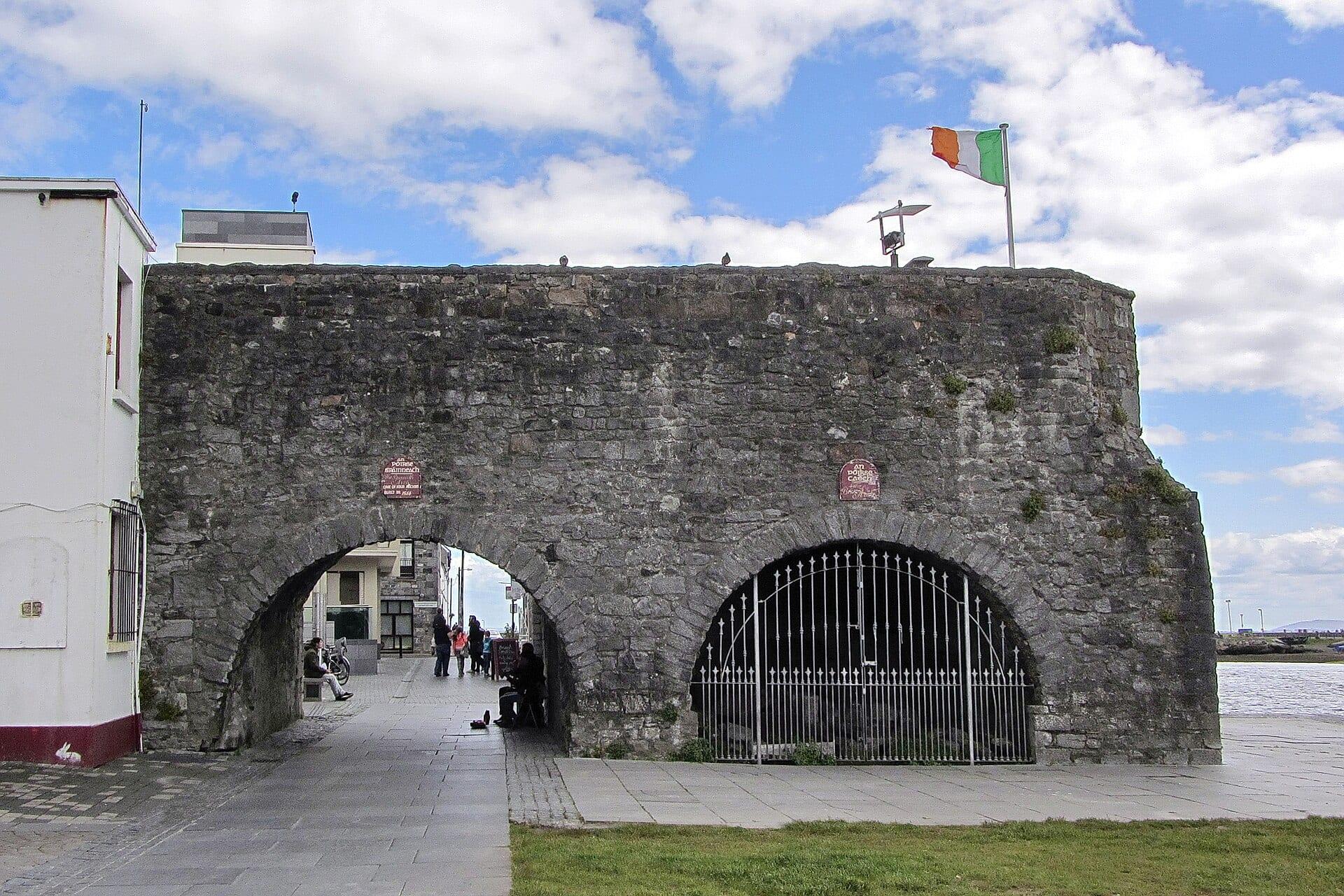
Photo: Robert Linsdell / Wikimedia Commons (CC BY 2.0)
Galway's Latin Quarter headliners — the Spanish Arch, Eyre Square, Galway Cathedral — are well covered elsewhere on this site. Here's what's easy to miss around them.
Often called Ireland's smallest museum, this is the Bowling Green house where Nora Barnacle — James Joyce's partner and later wife — lived with her family from 1894 to 1940, including the kitchen where she cooked for him and the rooms where the couple entertained friends. It keeps limited, seasonal hours rather than being open year-round daily, so this is one to check current opening dates for before building a visit around it — but it's a genuinely unusual stop for anyone interested in Joyce beyond the well-trodden Dublin side of his story.
Tucked into the Latin Quarter, this is the excavated remains of Galway's first municipal building — named for Richard de Burgo, the "Red Earl" — which served as a tax office, courthouse and banqueting hall in medieval Galway. It's free, takes about 15–30 minutes, and gives a genuinely tangible sense of the city's medieval origins that the surviving street pattern alone doesn't quite convey.
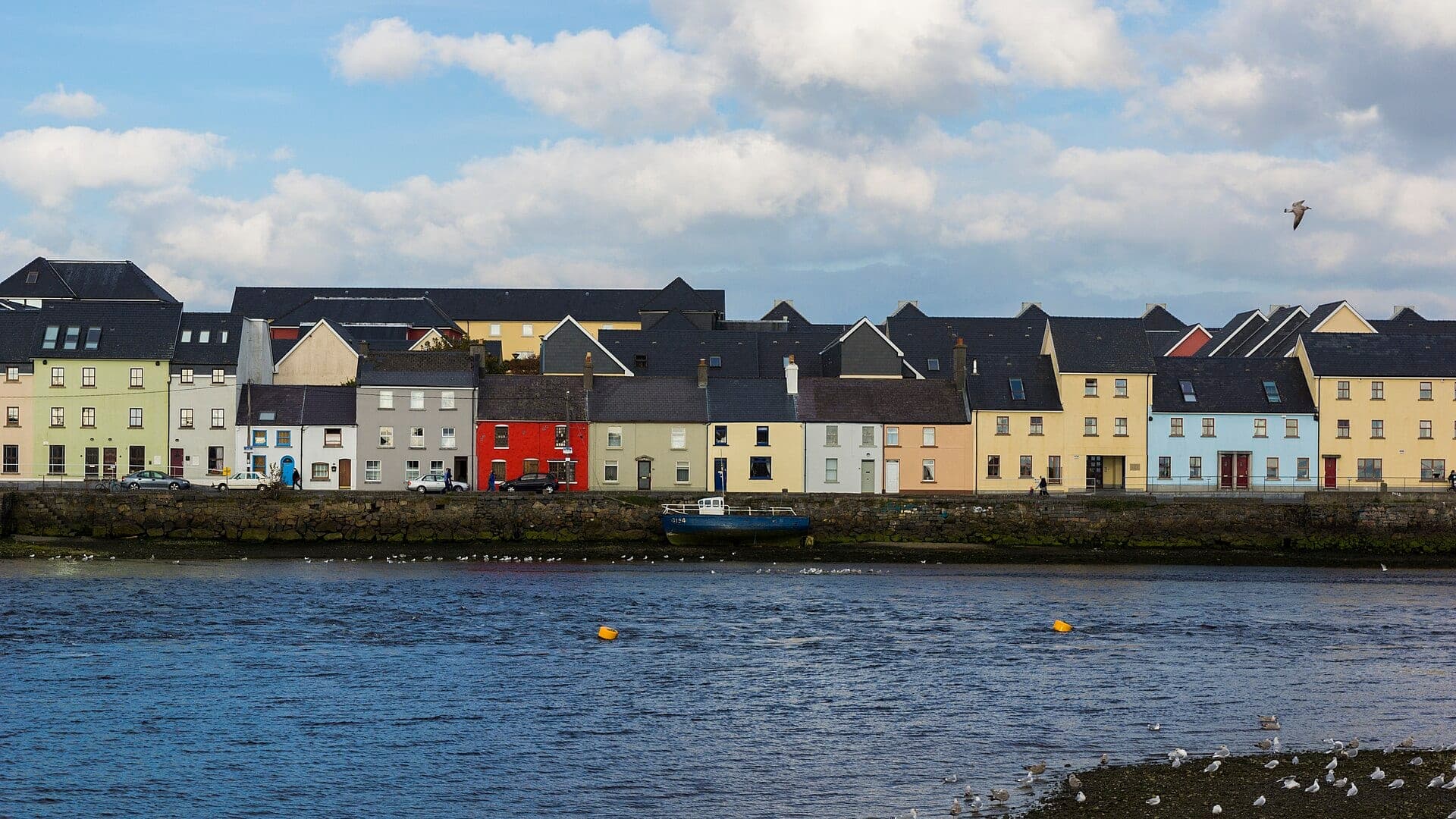
Just across the river from the Spanish Arch, the Claddagh is Galway's old fishing village, historically a separate community from the walled town. It's also where the Claddagh ring takes its name — the most common origin story credits a Galway goldsmith, Richard Joyce, with the design, though the full history isn't definitively settled and is worth treating as a strong local tradition rather than settled fact. Either way, walking through the Claddagh itself, rather than just buying the ring in a Latin Quarter shop, is the more interesting way to connect with where the story actually comes from.
Often called Ireland's smallest museum, it's the Bowling Green home where Nora Barnacle — James Joyce's partner and later wife — lived with her family from 1894 to 1940. It keeps limited, seasonal opening hours rather than being open daily, so check current dates before planning a visit around it.
A free, roughly 15–30 minute stop in the Latin Quarter — the remains of Galway's first municipal building, named for Richard de Burgo (the 'Red Earl'), which served as a tax office, courthouse and banqueting hall in medieval Galway.
The name comes from the Claddagh, the old fishing village on the western side of Galway city, across the river from the Spanish Arch. The most common origin story credits a Galway goldsmith named Richard Joyce with the design, though the full history isn't definitively settled — treat it as a strong local tradition rather than confirmed fact.
Practical details last verified 5 November 2026.
Galway city's essential sights, from the Latin Quarter and Spanish Arch to Galway Cathedral and Salthill promenade — what to see and why each one matters.
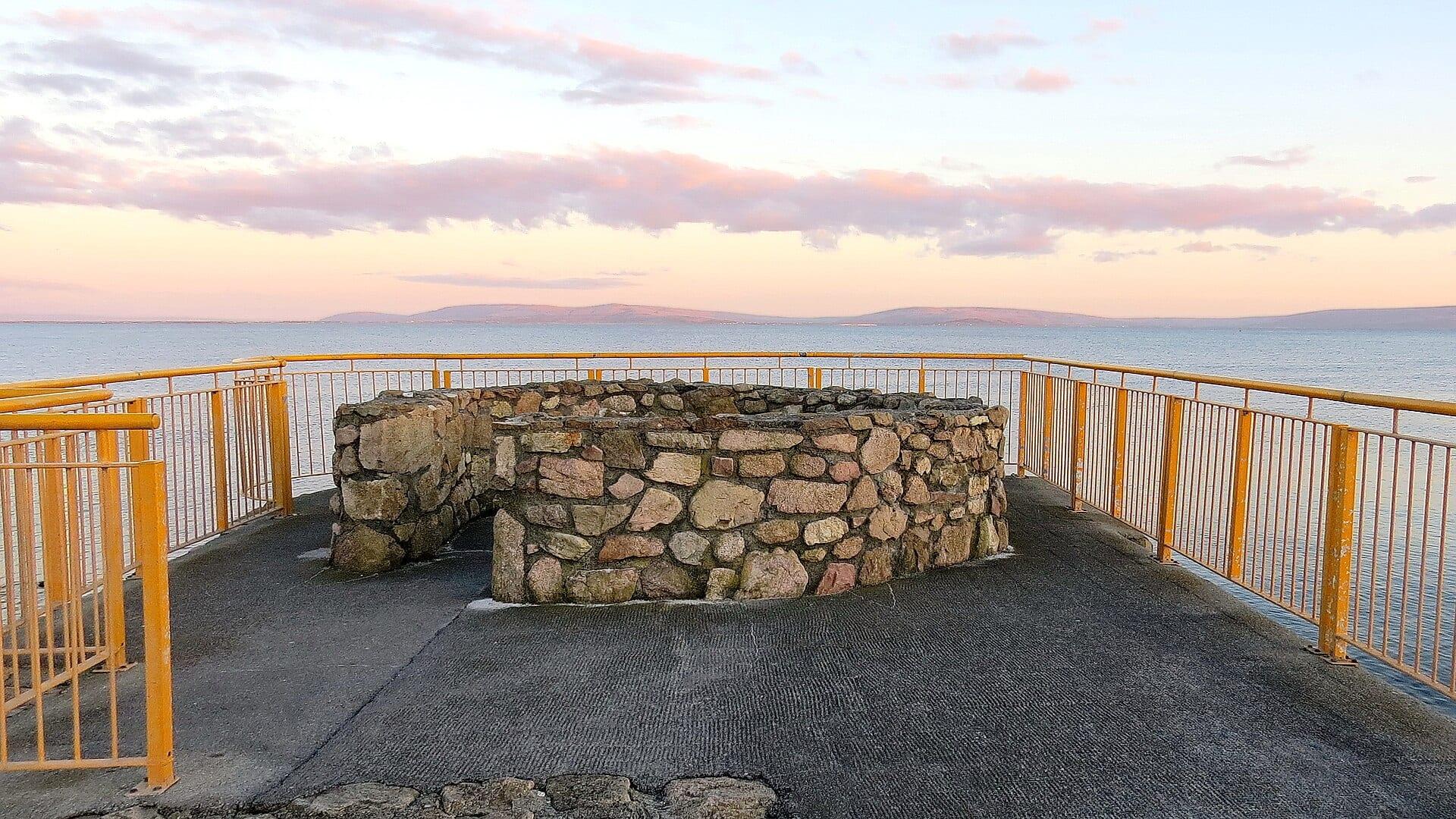
Galway's best free attractions — the Spanish Arch, Galway Cathedral, the City Museum, Salthill promenade and the Latin Quarter's street life — with no admission fee anywhere on the list.
Native Galway Bay oysters, a fish and chip shop run by the same family since 1902, and a pub pouring pints since 1894 — Galway's food and drink culture, beyond the Latin Quarter's buskers.