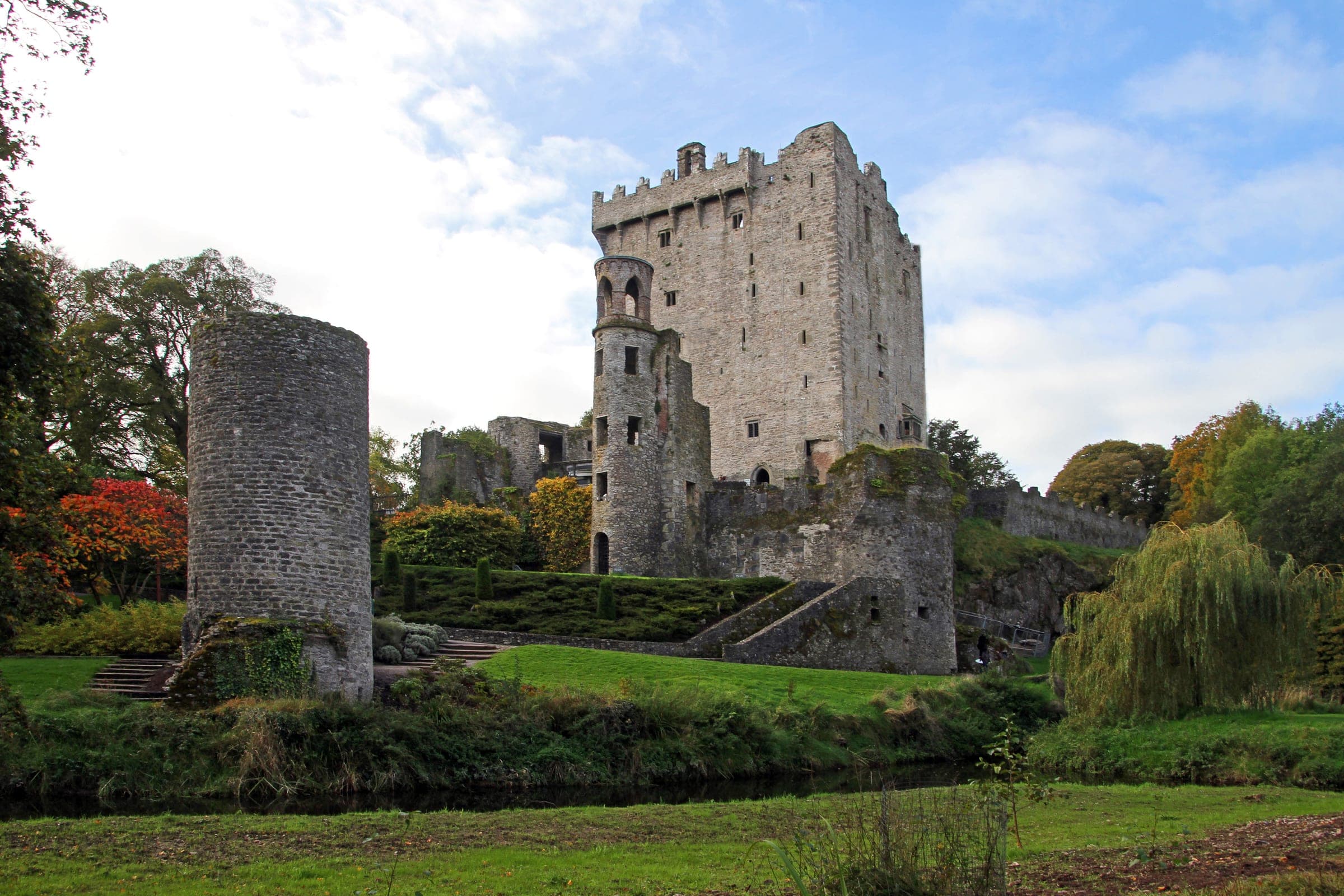
Nature & Outdoors in Cork
A glacial valley forest park, 300 hectares of old oak woodland, and Ireland's first marine nature reserve — Cork's natural side, well beyond the city centre.
Parks, coastline, walking trails and outdoor spaces — Ireland at its most scenic.
Ireland's outdoor sites vary enormously in how exposed, how strenuous and how weather-dependent they are, so every guide here tries to say that plainly rather than just list a trail length. Strongest coverage so far is Wicklow (Glendalough, Wicklow Mountains National Park), Kerry (Killarney National Park, Ring of Kerry, Skellig Michael) and Clare (Cliffs of Moher, the Burren), plus Dublin's own coastline and parks (Howth, beaches, parks and walks), and now Cork and Galway too. If caves and unusual landscapes are more your thing than lakes and mountains, see Ireland's Hidden Natural Wonders.
A glacial valley forest park, 300 hectares of old oak woodland, and Ireland's first marine nature reserve — Cork's natural side, well beyond the city centre.
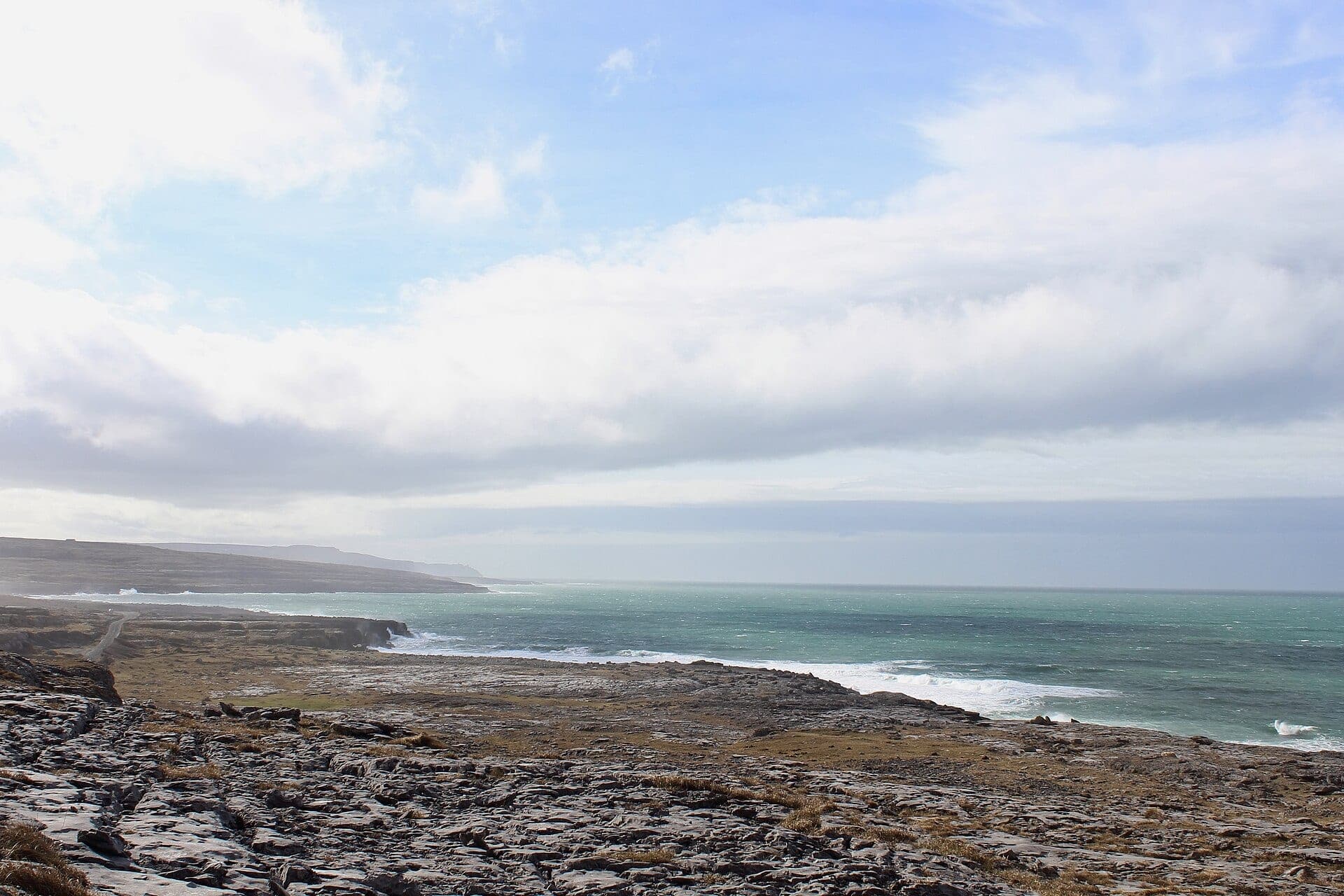
A 7.3-metre stalactite underground, a landscape riddled with disappearing rivers, and a saltwater lough with its own tidal rapids — the unusual natural features most visitors drive straight past.
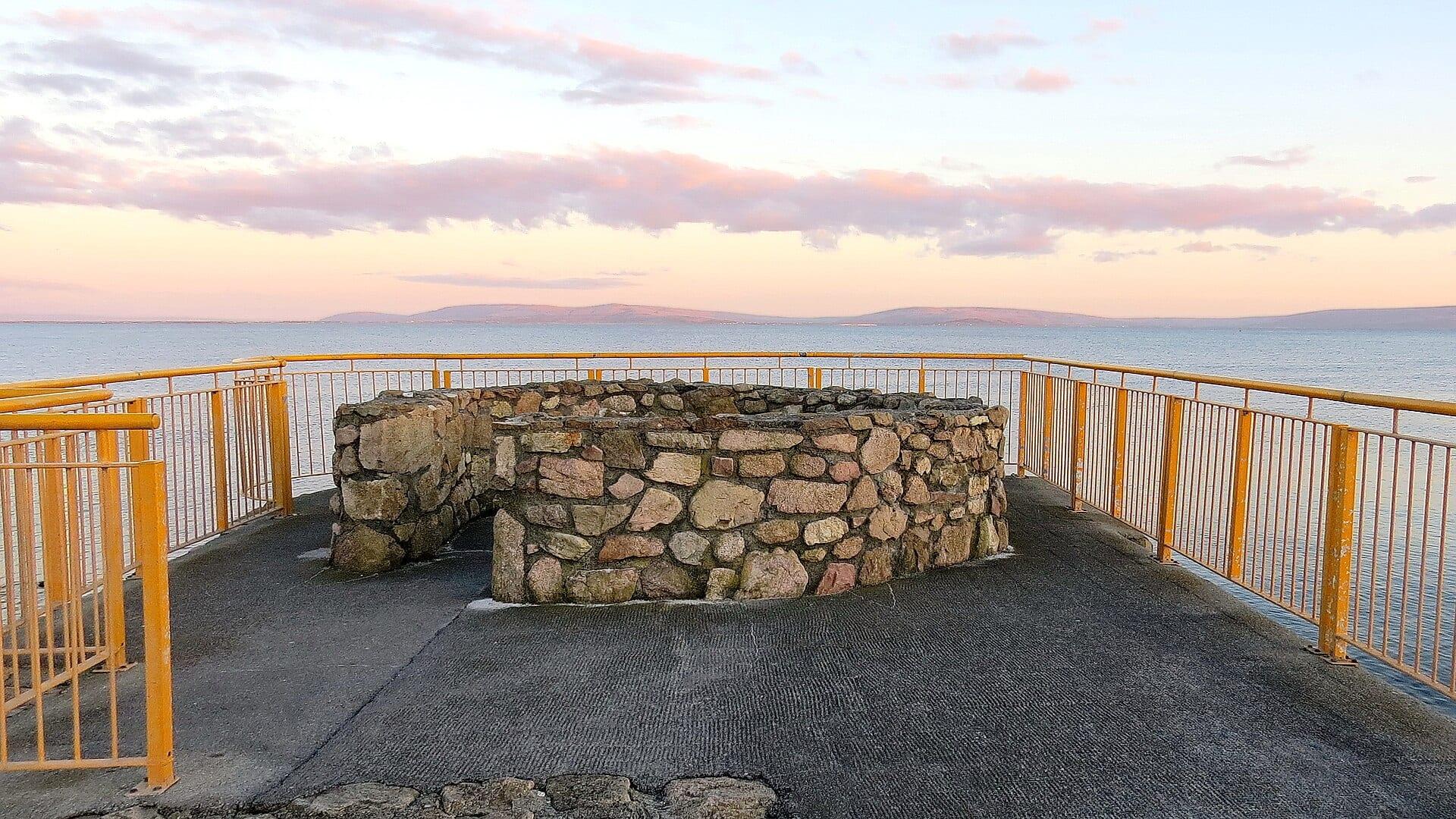
A roughly 3,000-year-old stone fort on a cliff edge, reachable by a 40-minute ferry from either Galway or Doolin — Inishmore as a genuine day trip, not just a ferry stop mentioned in passing.
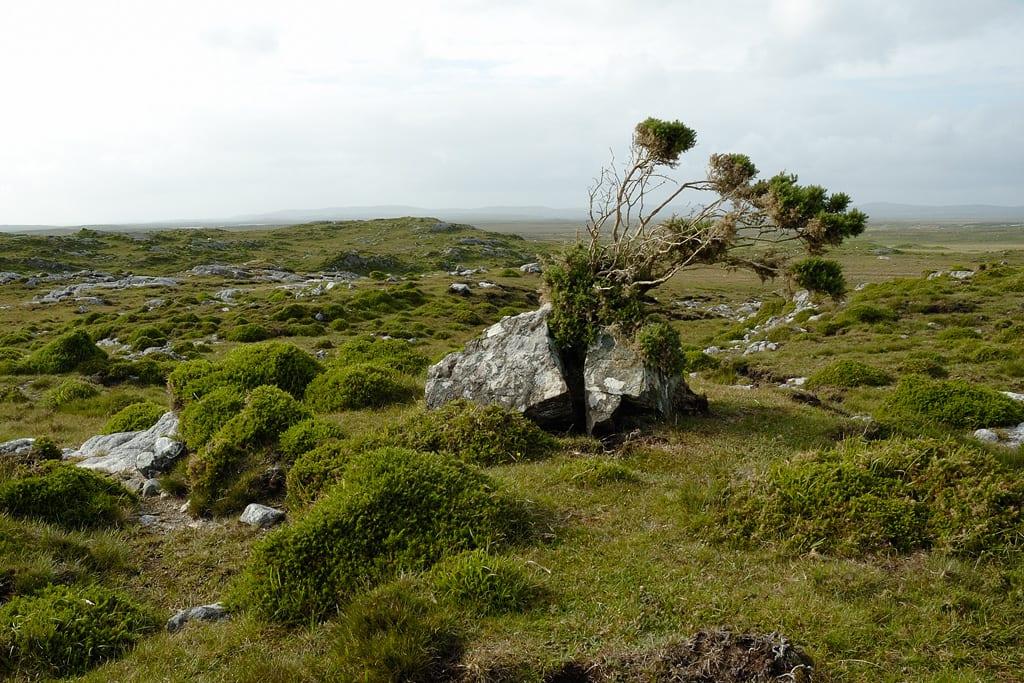
Connemara National Park's mountains and bog, a pale shell-sand beach near Roundstone, and the limestone wetland that drew Yeats to Coole Park.
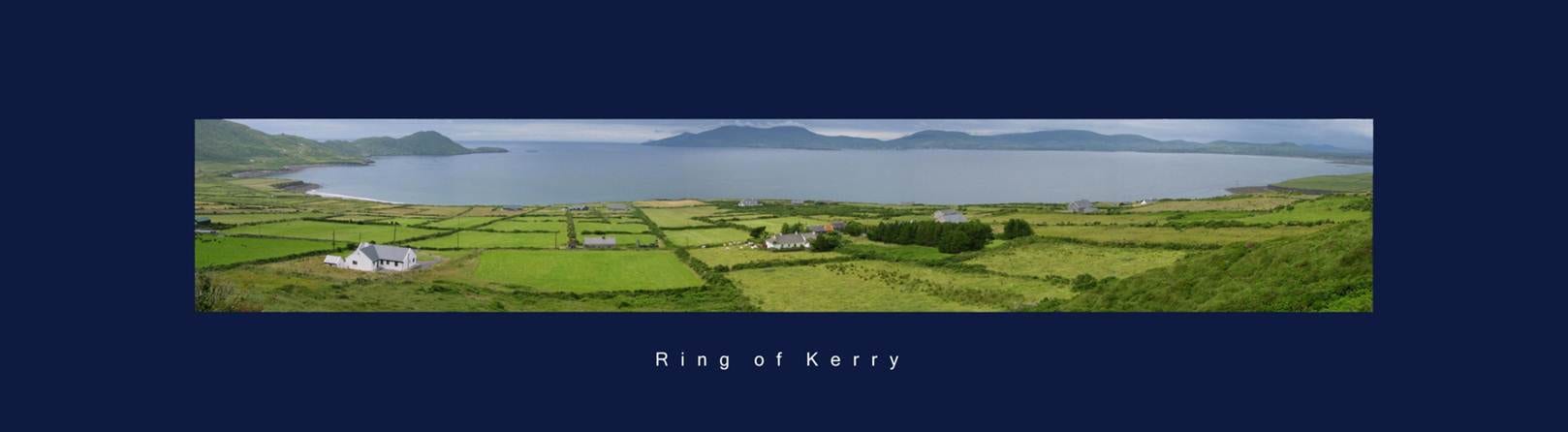
A separate peninsula from the Ring of Kerry, with its own driving loop, its own Gaeltacht Irish-speaking villages, and a 1,300-year-old stone oratory most visitors have never heard of.
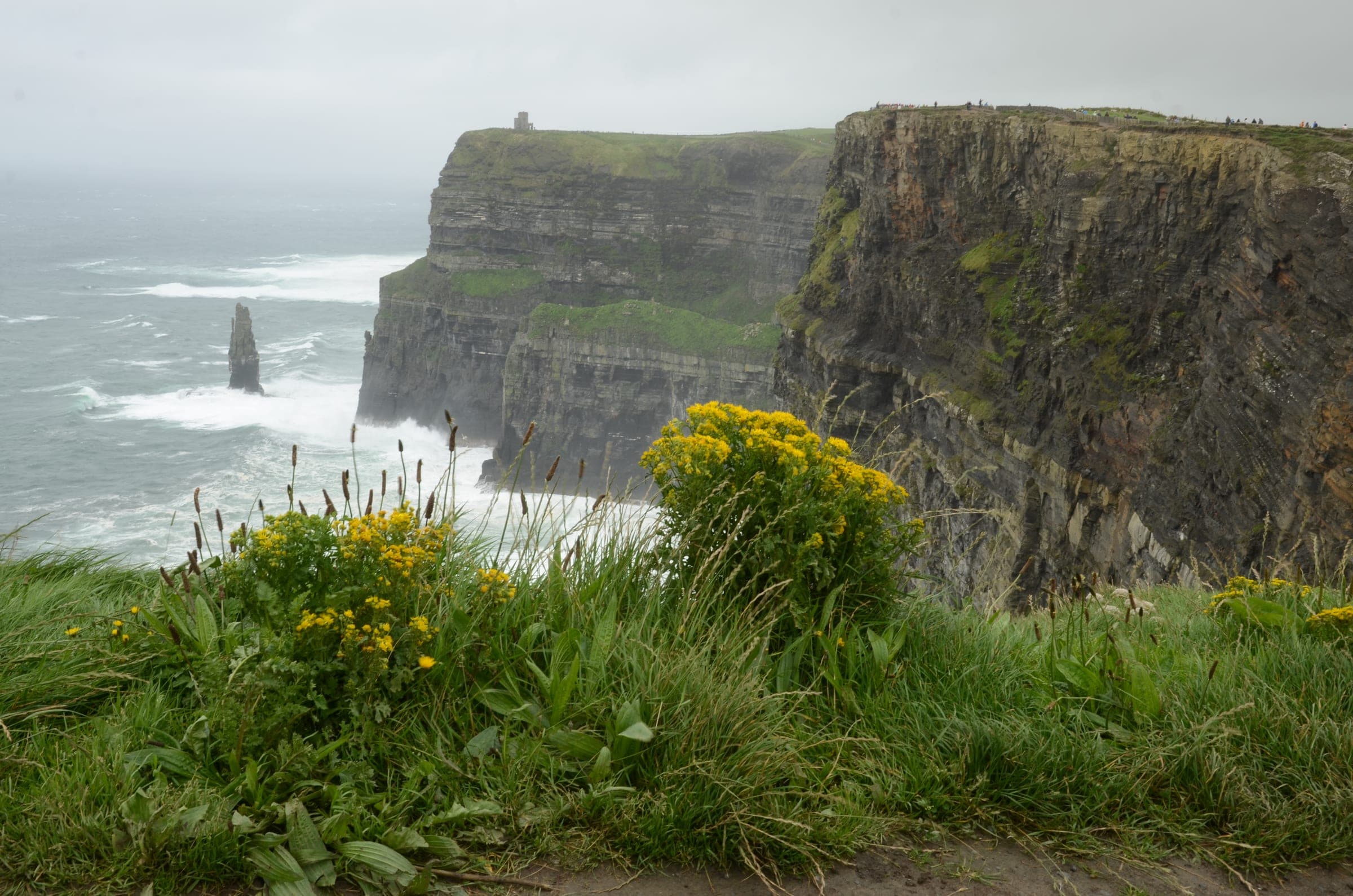
Ireland's most-visited natural attraction — how high the cliffs actually are, how to get there without a car, and what the coastal walk involves.
Ireland's karst landscape of bare limestone pavement, ancient tombs and plants found nowhere else together — what the Burren actually is and how to see it.
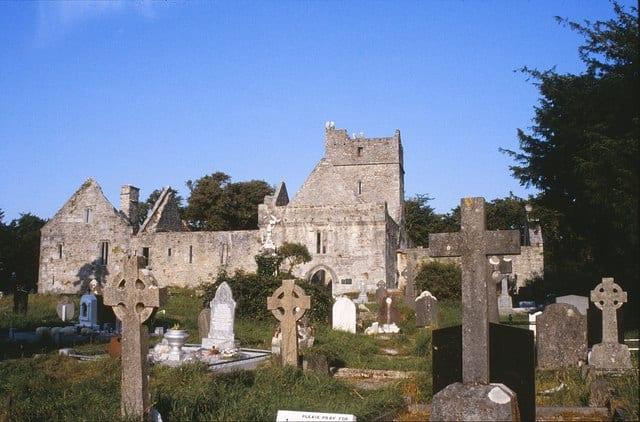
Ireland's first national park — Ross Castle, Muckross House and Abbey, and Torc Waterfall, all within walking or cycling distance of Killarney town.
The full driving route around the Iveragh Peninsula — the towns along the way, which direction to actually drive it in, and why that direction matters.
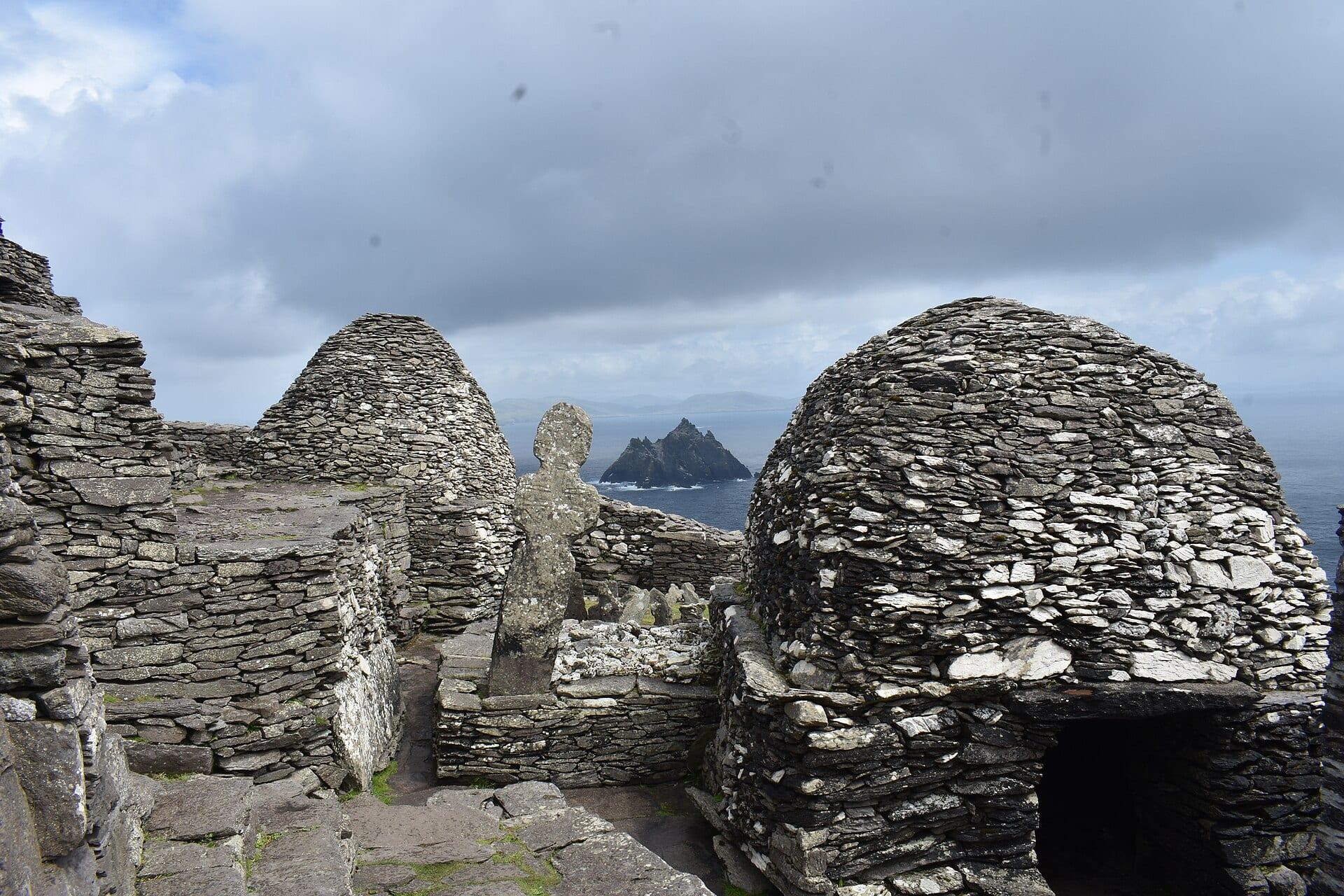
An honest guide to visiting Skellig Michael — the monastery, the Star Wars connection, and the genuinely difficult, weather-dependent logistics of getting there.
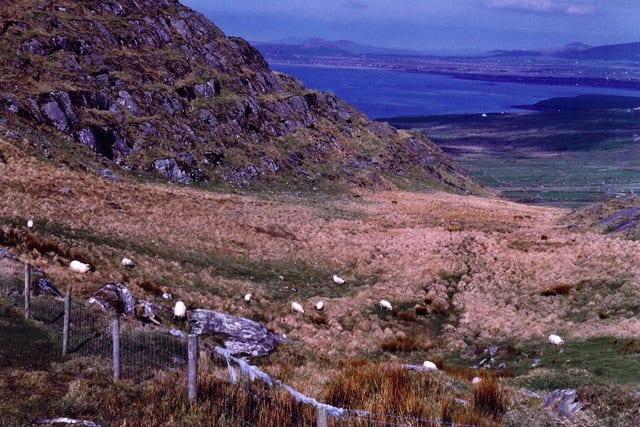
From Killarney's lakes to the Ring of Kerry and the Skellig Islands — how to plan your time in Ireland's most scenic county.
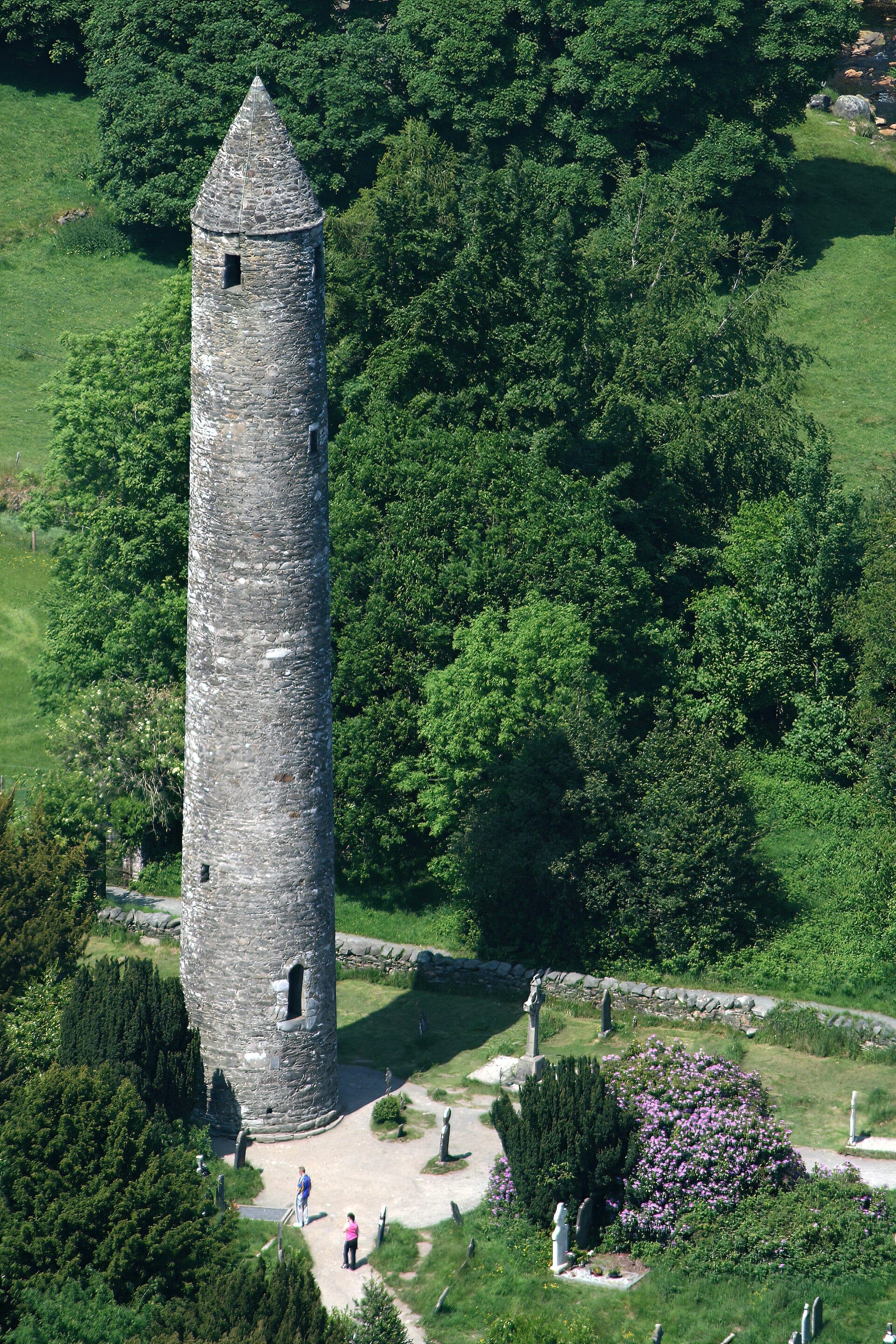
St Kevin's monastic settlement in the Wicklow Mountains — the Round Tower, the two lakes, the walking trails, and how to get there from Dublin without a car.
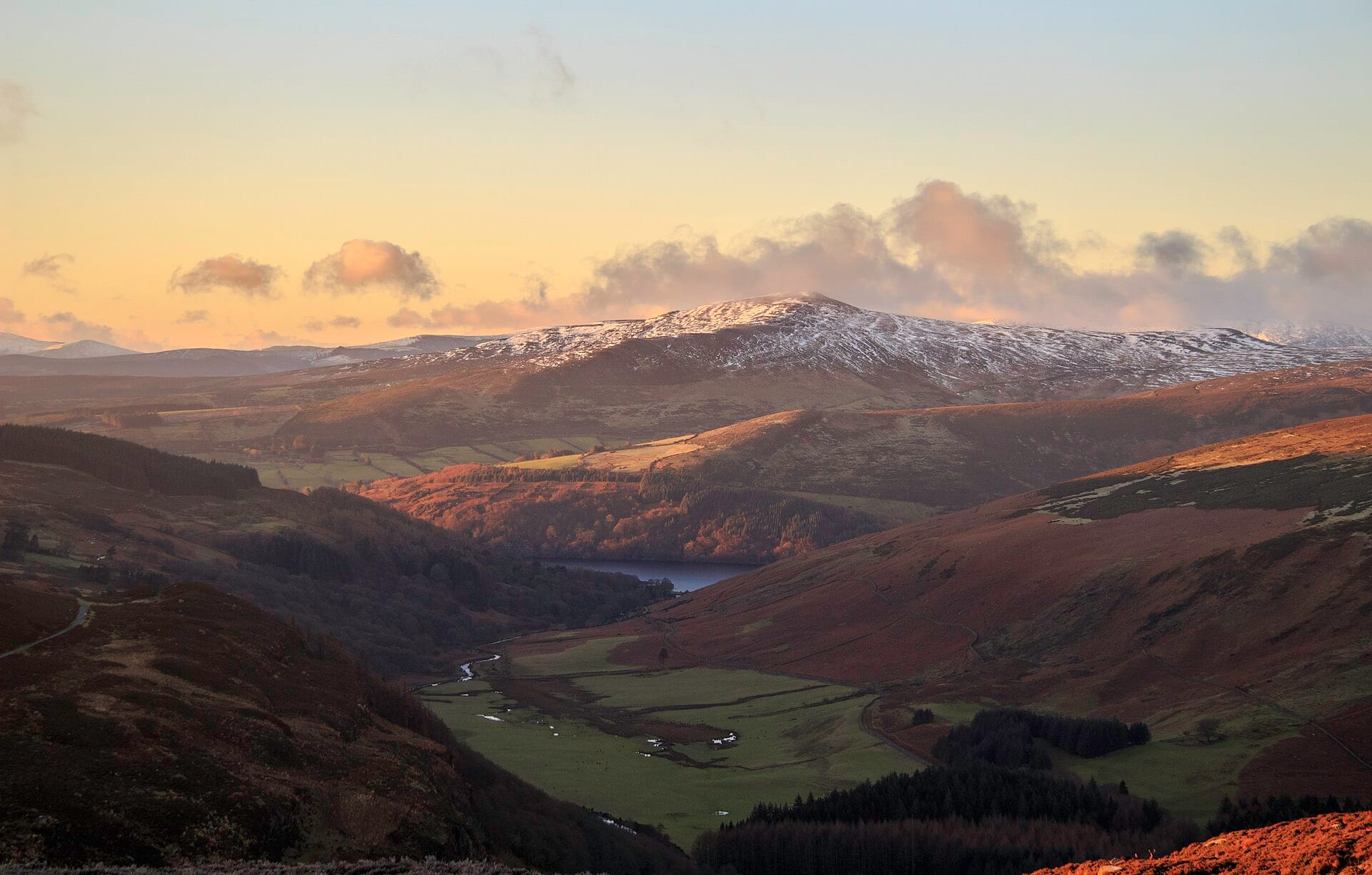
Beyond Glendalough — Wicklow's big gardens, a private lake made famous by a stout brand, a French-baroque estate, and a village that played a fictional Irish parish on TV.
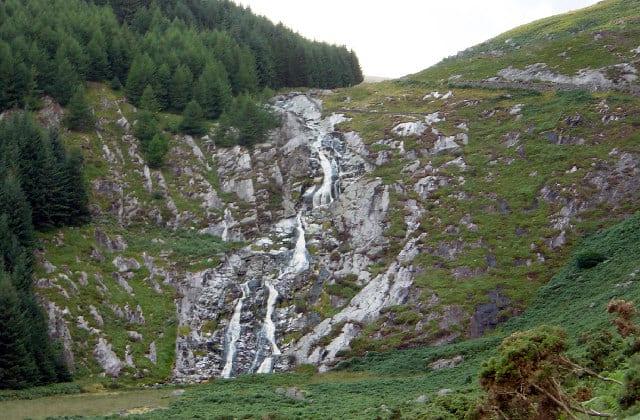
Ireland's largest national park, and the only one on the east coast — granite peaks, blanket bog and glacial lakes less than an hour from Dublin. What's actually in it, and how to get into it.
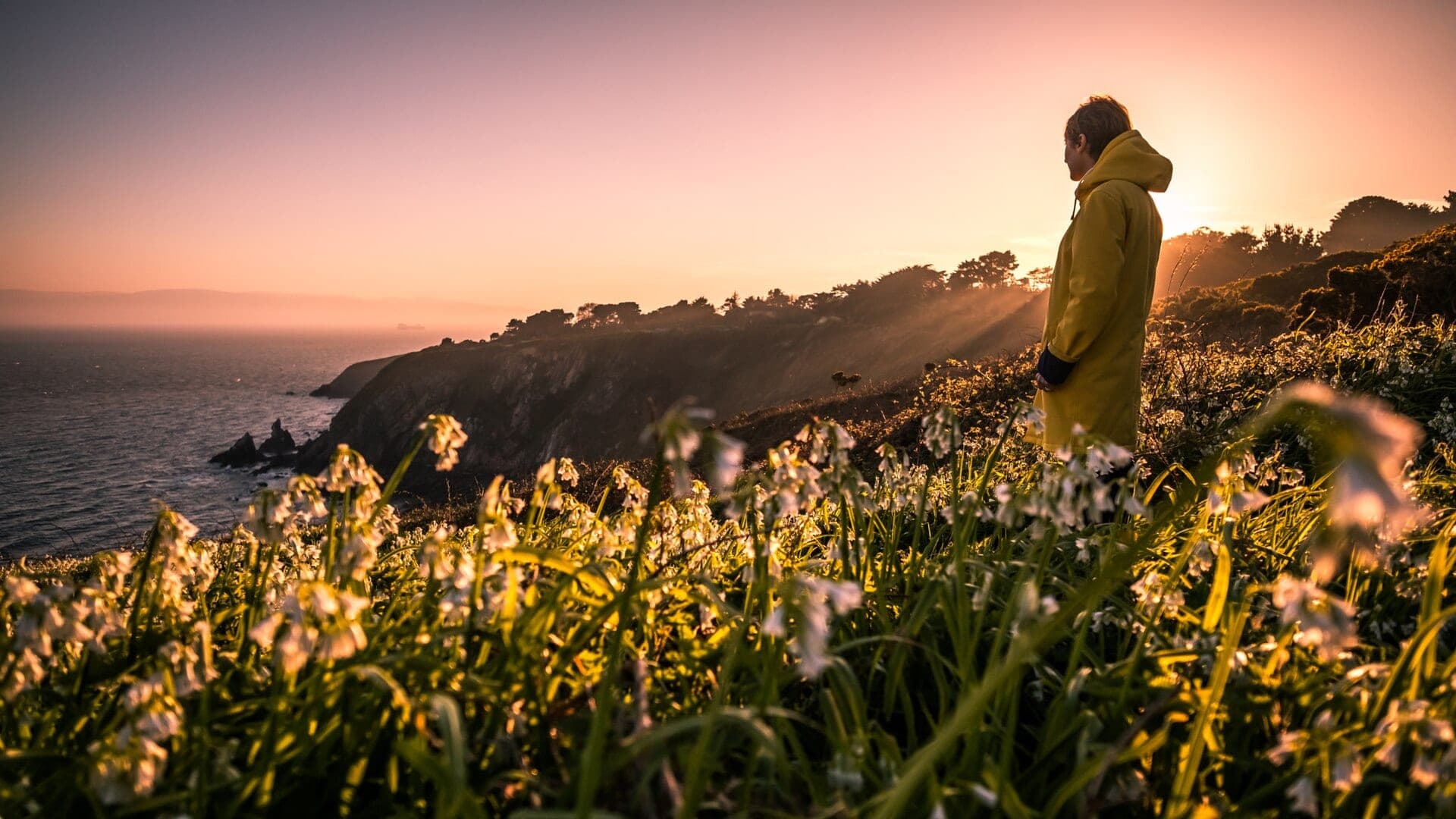
A fishing village 25 minutes from the city centre by DART, with a 7.8km cliff walk and views over Dublin Bay, Ireland's Eye and Lambay Island.
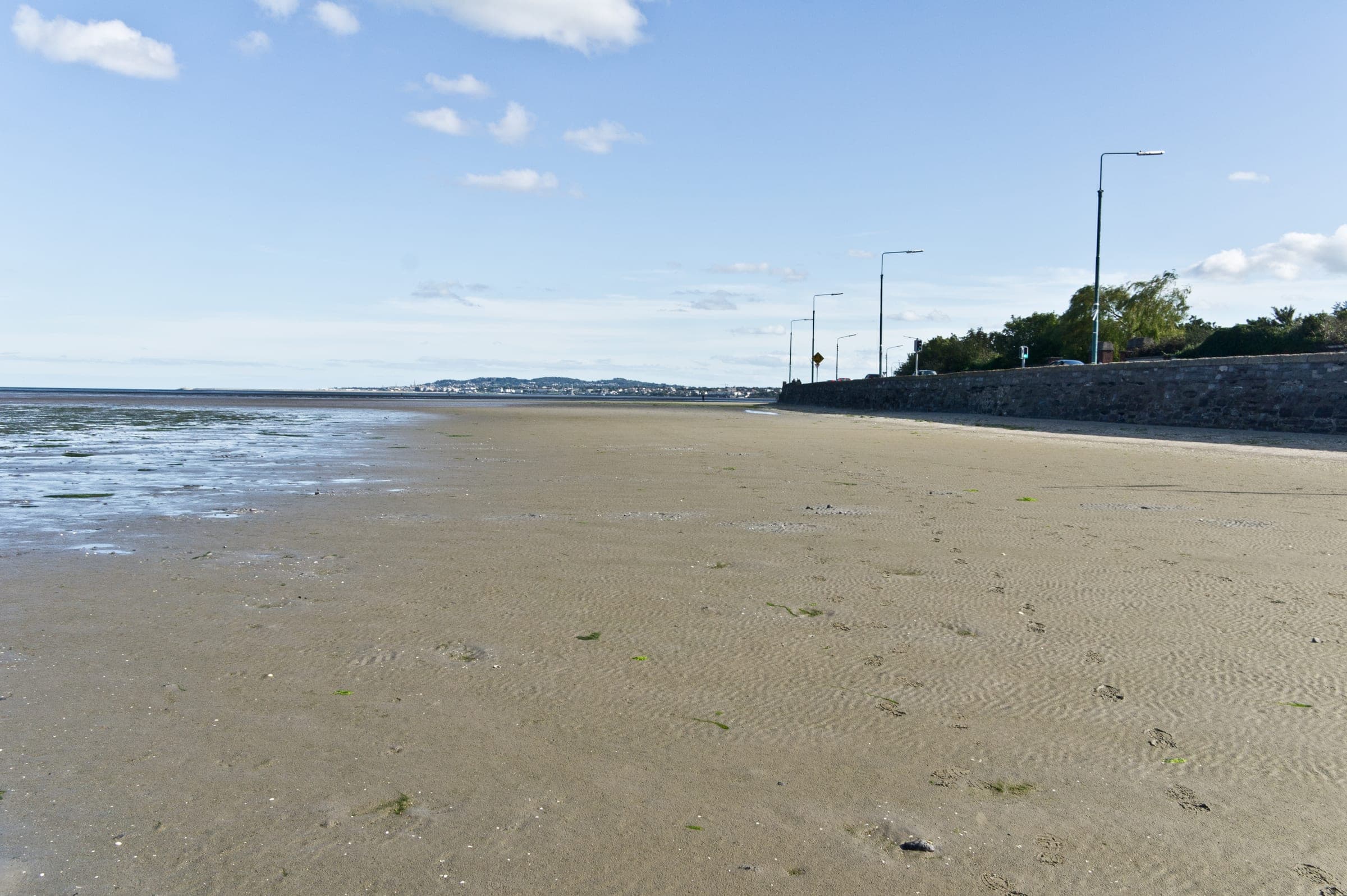
From the closest strand to the city centre to a Blue Flag beach on the DART line, here's where to find the sea without a car.
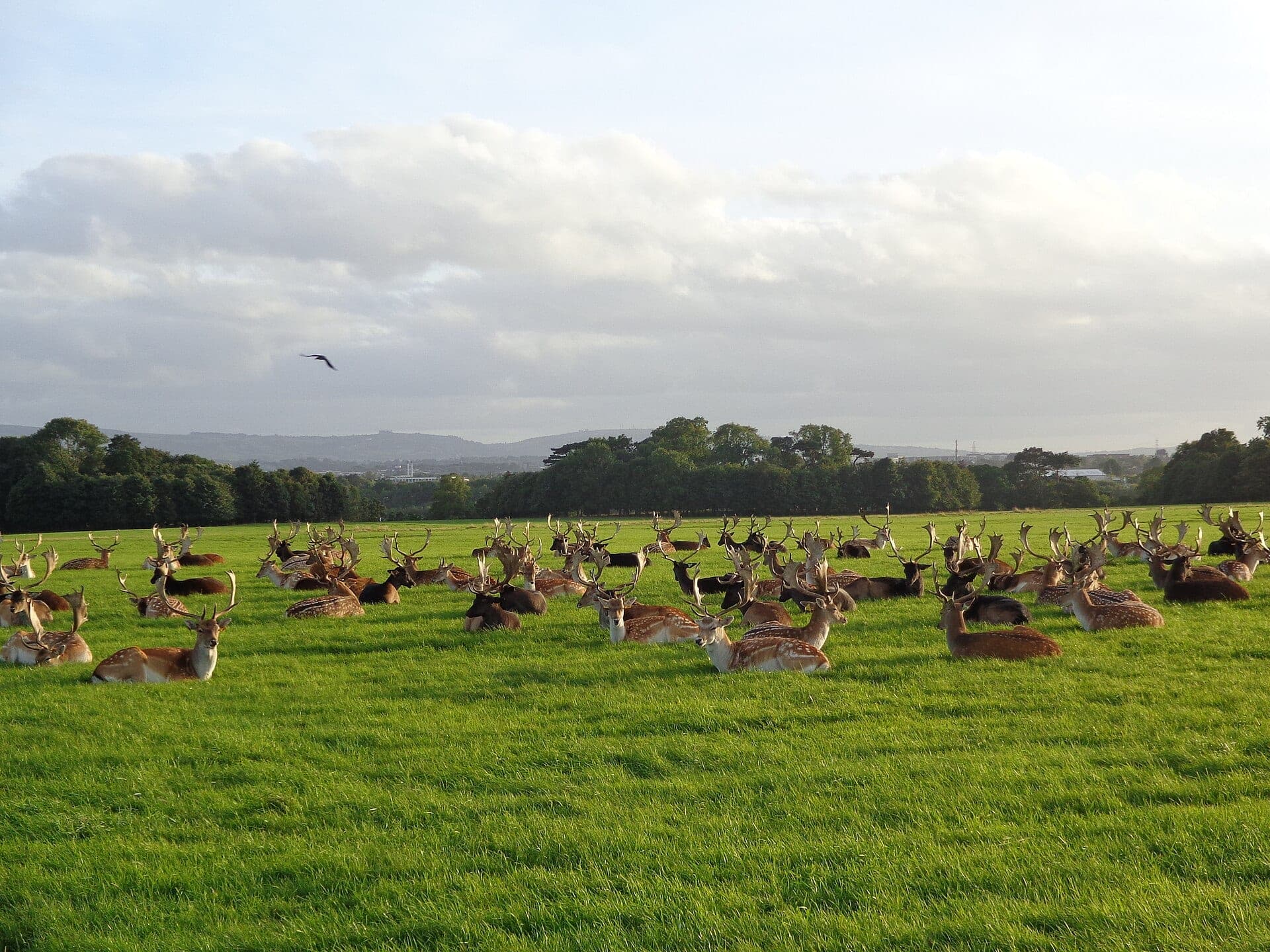
From Phoenix Park's deer herd to the Dublin Bay Biosphere at Bull Island, Dublin's best green spaces and waterside walks are all free to visit.
Browse other categories