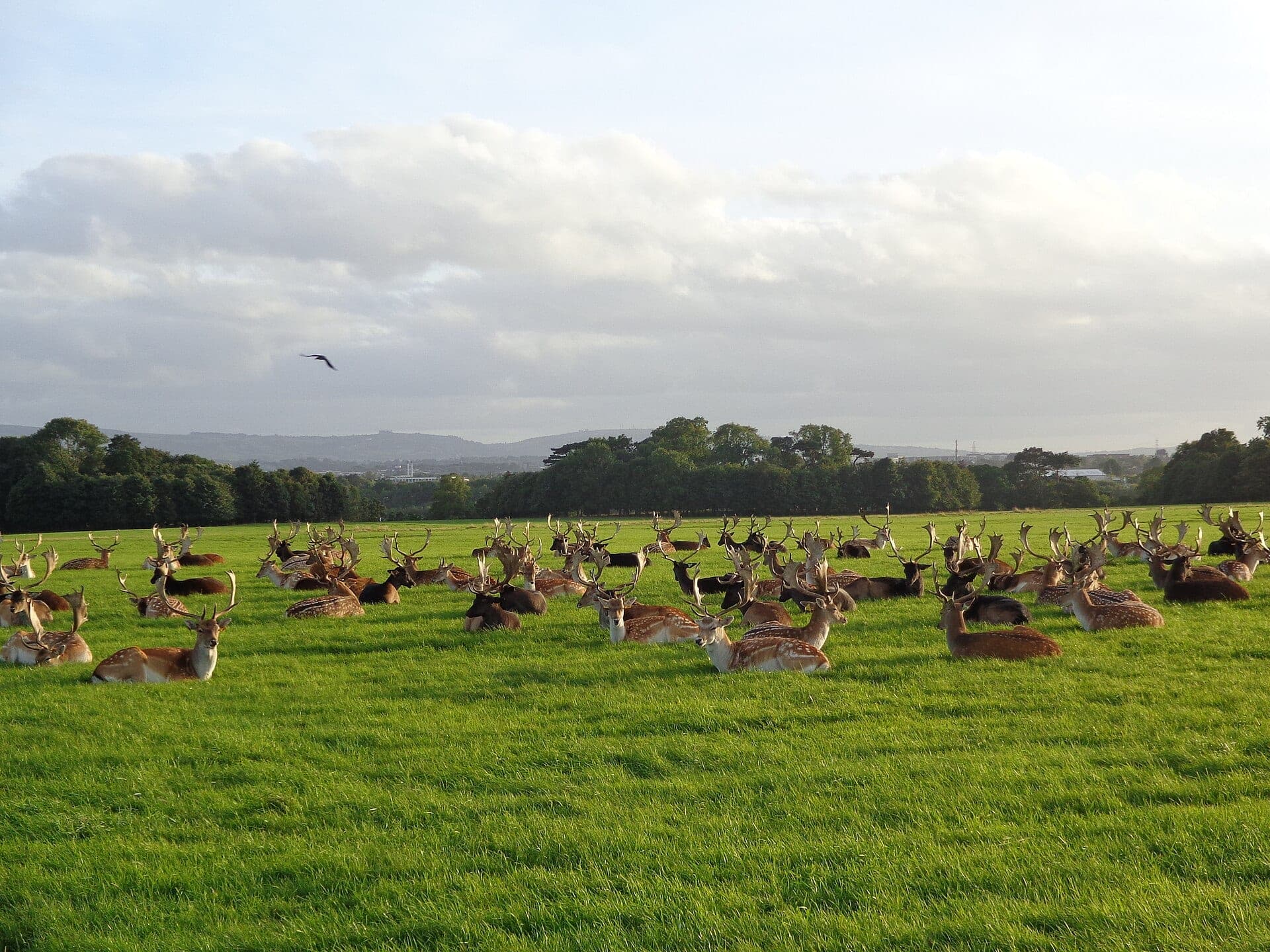
Best Parks and Walks in Dublin
From Phoenix Park's deer herd to the Dublin Bay Biosphere at Bull Island, Dublin's best green spaces and waterside walks are all free to visit.
From the closest strand to the city centre to a Blue Flag beach on the DART line, here's where to find the sea without a car.
 By Ireland Spots Team
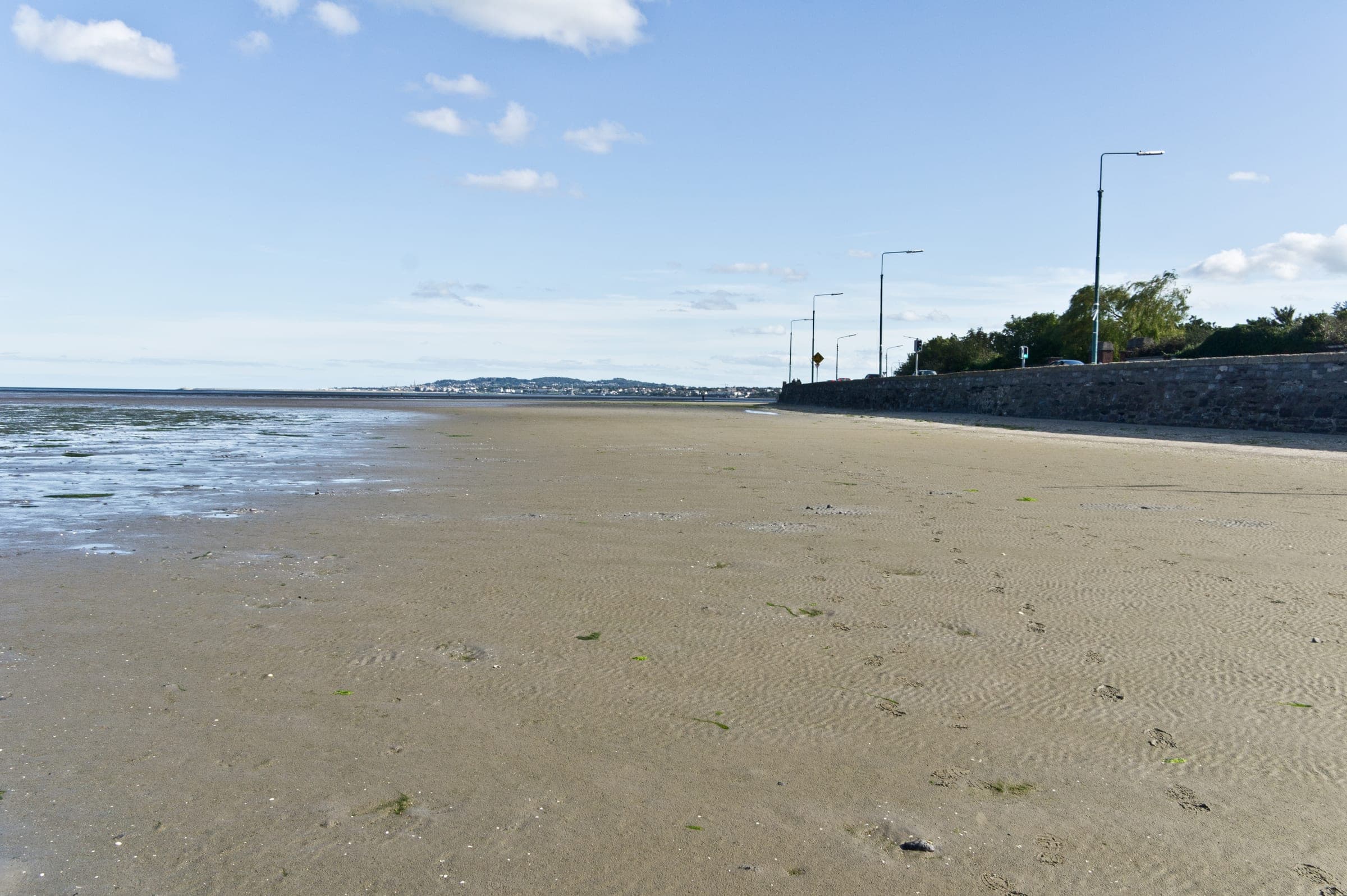
Photo: Wikimedia Commons (CC BY-SA 2.0)
Dublin's coastline is closer than it looks on a map, and most of it is reachable without a car — the DART (Dublin Area Rapid Transit), the city's electrified coastal rail line, runs along a large stretch of Dublin Bay and out past its southern and northern edges, putting several genuinely good beaches within a short train ride of the city centre.
The closest beach to the city centre — a long tidal flat you can walk out onto at low tide, with a promenade running alongside it. Reachable on foot from the city centre (roughly a 30–40 minute walk from Trinity College) or via DART/bus to Sandymount. Because the tide goes out a long way here, it's better suited to a walk than a swim — check the tide times before heading out onto the flats, since the water can come in quickly once it turns.
Part of the North Bull Island nature reserve, a UNESCO Biosphere Reserve since 1981 (extended to cover all of Dublin Bay in 2015). A long, wide beach popular with kite-surfers and walkers, and one of the most ecologically significant sites this close to a capital city anywhere in Europe — it supports wintering wading birds and dune habitats protected under EU law, alongside its role as an everyday beach for the city. Reachable by bus from the city centre.
One of Dublin's Blue Flag beaches, with a Green Coast Award recognising its environmental quality. Further north than Dollymount, and reachable by DART (via Portmarnock station) or bus. It's a wide, sandy beach that tends to be quieter than the beaches closer to the city centre, and is often paired with a stop at nearby Malahide, a coastal village with its own beach and harbour walk, a short journey further up the same DART line.
A Blue Flag beach on the DART line south of the city, with views toward the Wicklow Mountains — a short walk downhill from Killiney station. The hill above the beach, Killiney Hill, is a public park with a viewing point that takes in the whole sweep of the bay; it's a reasonable extension to a beach visit if you don't mind the climb back up.
A smaller, rockier beach on the DART line between Blackrock and Dún Laoghaire, popular with local sea swimmers year-round rather than just in summer. It's less of a destination beach than Dollymount or Killiney, but it's easy to combine with a walk along the Dún Laoghaire piers, a short distance further down the line.
A small, rocky sea-swimming spot at Sandycove, on the DART line beyond Dún Laoghaire, best known as the setting for the opening chapter of James Joyce's Ulysses. It was historically a men-only bathing place — a sign reading "Forty Foot Gentlemen's Bathing Place" still stands nearby — but it's been open to everyone since the 1970s. People swim here throughout the year, including on winter mornings; it's not a sandy beach in the conventional sense, more a set of rocks and steps into deep water, so it suits confident swimmers more than a family beach day.
Yes — every beach in this guide is free to visit.
No — Sandymount, Portmarnock, Killiney, Seapoint and the Forty Foot are all directly on the DART line, and Dollymount Strand is reachable by bus from the city centre.
Only during specific patrolled periods, typically the summer months — check current local signage, and take particular care at the Forty Foot, where swimmers enter directly into deep water rather than a gradually shelving beach.
Practical details last verified 4 November 2026. Source: https://www.dublinbaybiosphere.ie/
From Phoenix Park's deer herd to the Dublin Bay Biosphere at Bull Island, Dublin's best green spaces and waterside walks are all free to visit.
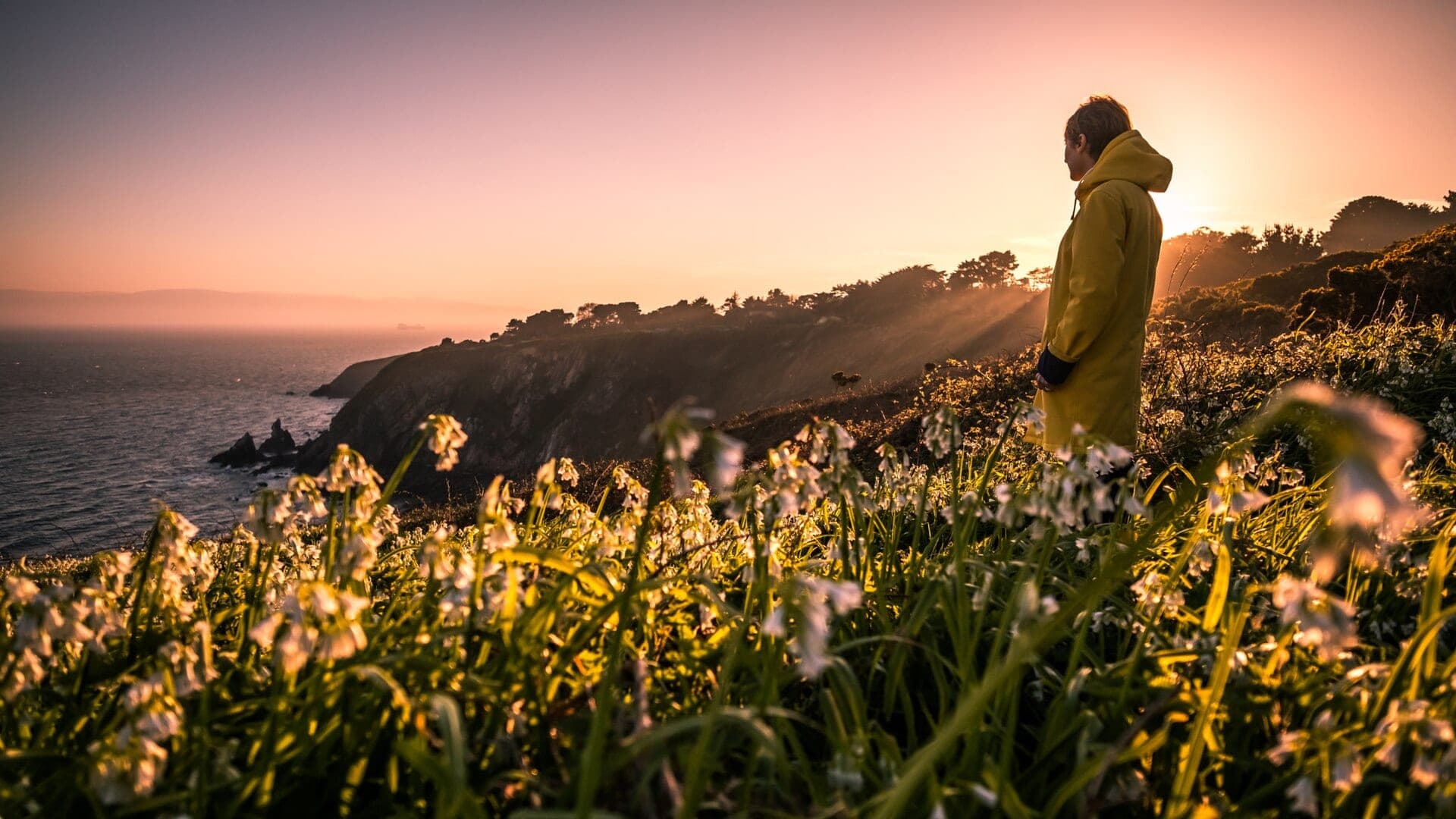
A fishing village 25 minutes from the city centre by DART, with a 7.8km cliff walk and views over Dublin Bay, Ireland's Eye and Lambay Island.
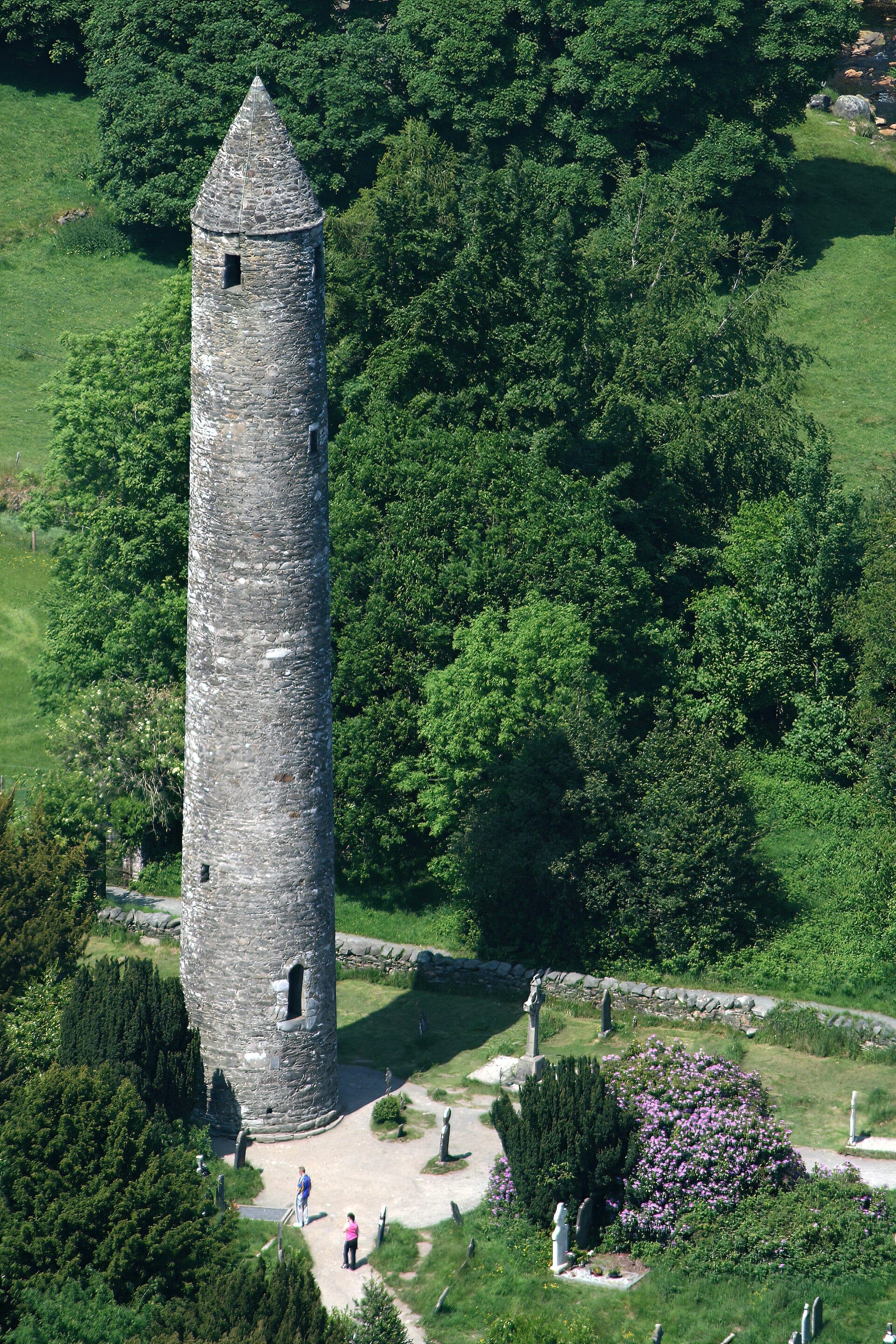
From the cliff walk at Howth to the monastic site at Glendalough, here are day trips that work without a car — and where you'll need one.