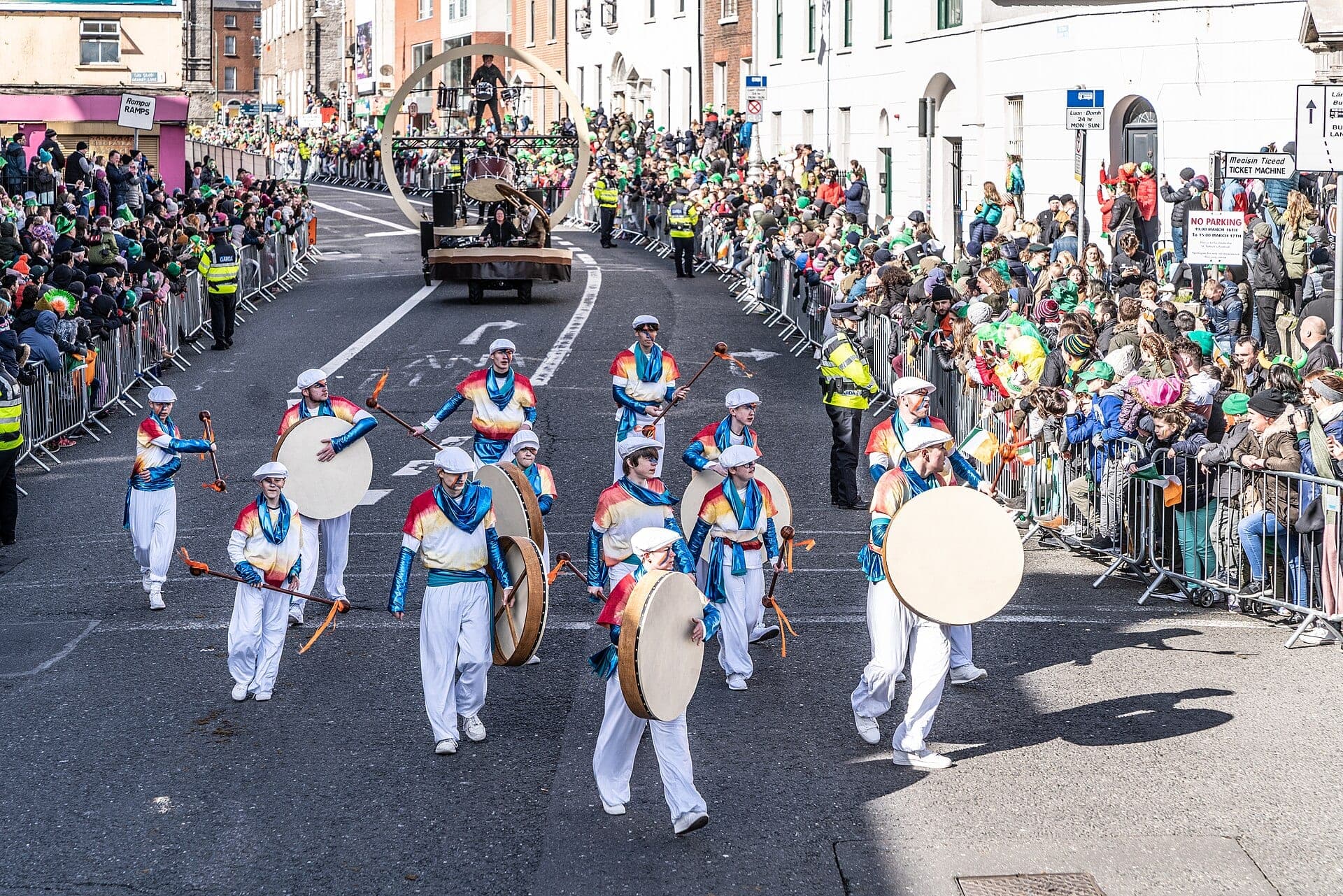
St Patrick's Festival Dublin Guide
How Dublin's national festival grew from a single parade into a five-day celebration, what actually happens beyond the parade, and how to plan around it.
Summer has the longest days and the biggest crowds, the shoulder months either side are the usual compromise, and winter is genuinely the cheapest — what each season actually means for a trip.
 By Ireland Spots Team
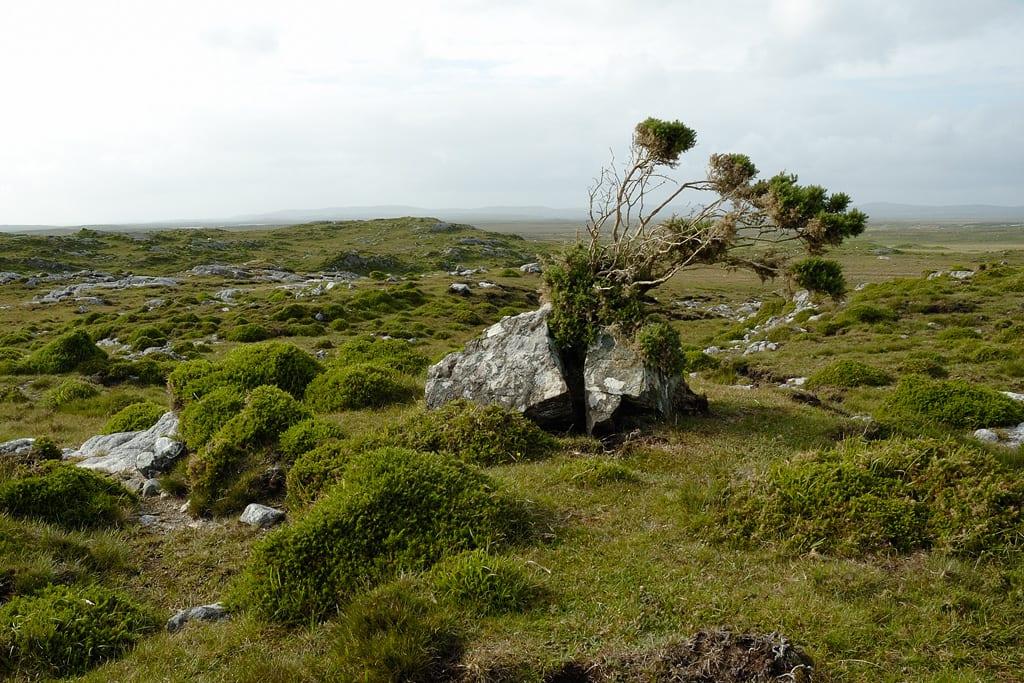
Photo: Pixinn.net / Wikimedia Commons (CC BY-SA 3.0)
Ireland doesn't have a dry season, and that shapes this more than anything else — the real choice between seasons here is about daylight, crowds and price, not about picking a month that avoids the rain, because none of them do.
Summer has Ireland's longest days — daylight stretches to around 17 hours in Dublin in June — and its most reliably mild weather, though "reliably mild" in Ireland still means a realistic chance of rain on any given day. It's also peak season in every sense: the highest accommodation prices, the busiest queues at major sights like the Cliffs of Moher and the Book of Kells, and the best month for outdoor touring routes like the Ring of Kerry or the Wild Atlantic Way, weather allowing.
Most travel guides converge on the shoulder months either side of summer as the best overall balance — meaningfully fewer crowds and lower prices than June–August, with days still long enough (12 or more hours around the spring and autumn equinoxes) to make the most of a short trip. September also overlaps with Dublin Theatre Festival, and late September into October with the run-up to Bram Stoker Festival around Halloween.
Winter is consistently the cheapest time to visit — lower flights, lower accommodation prices, and far smaller crowds at major sights. The trade-off is real: daylight drops to around 7–8 hours a day in December, and December and January are typically Ireland's wettest months. St Patrick's Festival in March sits right at the end of this window, and is worth building a trip around if the date works for you — it's one of the few times a shorter, colder month also means a genuinely busy, festive city.
If long days and reliable weather matter most, summer is the honest answer, crowds and prices included. If you'd rather trade some of that for fewer queues and a lower bill, May, June's first half, or September are the usual recommendation. If price is what matters most and you don't mind short days, winter — outside the St Patrick's Festival dates — is genuinely the cheapest option, not just a consolation prize. Whichever season you pick, see what's actually on around your travel dates, since that often matters more to a trip than the weather does.
There's no single right answer — it depends what you're optimising for. May, June and September are the usual recommendation as a balance of reasonable weather, long-enough days and manageable crowds, without summer's full price and footfall.
Winter — November through February — is consistently the cheapest time to travel, with lower flight and accommodation prices. The trade-off is short daylight (as little as 7–8 hours in December) and the wettest weather of the year.
Yes, in every season — Ireland doesn't really have a dry season. December and January are typically the wettest months and April is often the driest, but some rain is a realistic possibility on any given day of the year, whichever month you travel in.
June to August, when the days are longest and the weather is most reliably warm — it's also when accommodation prices and visitor numbers at major sights like the Cliffs of Moher and Trinity College peak.
Practical details last verified 5 November 2026.
How Dublin's national festival grew from a single parade into a five-day celebration, what actually happens beyond the parade, and how to plan around it.
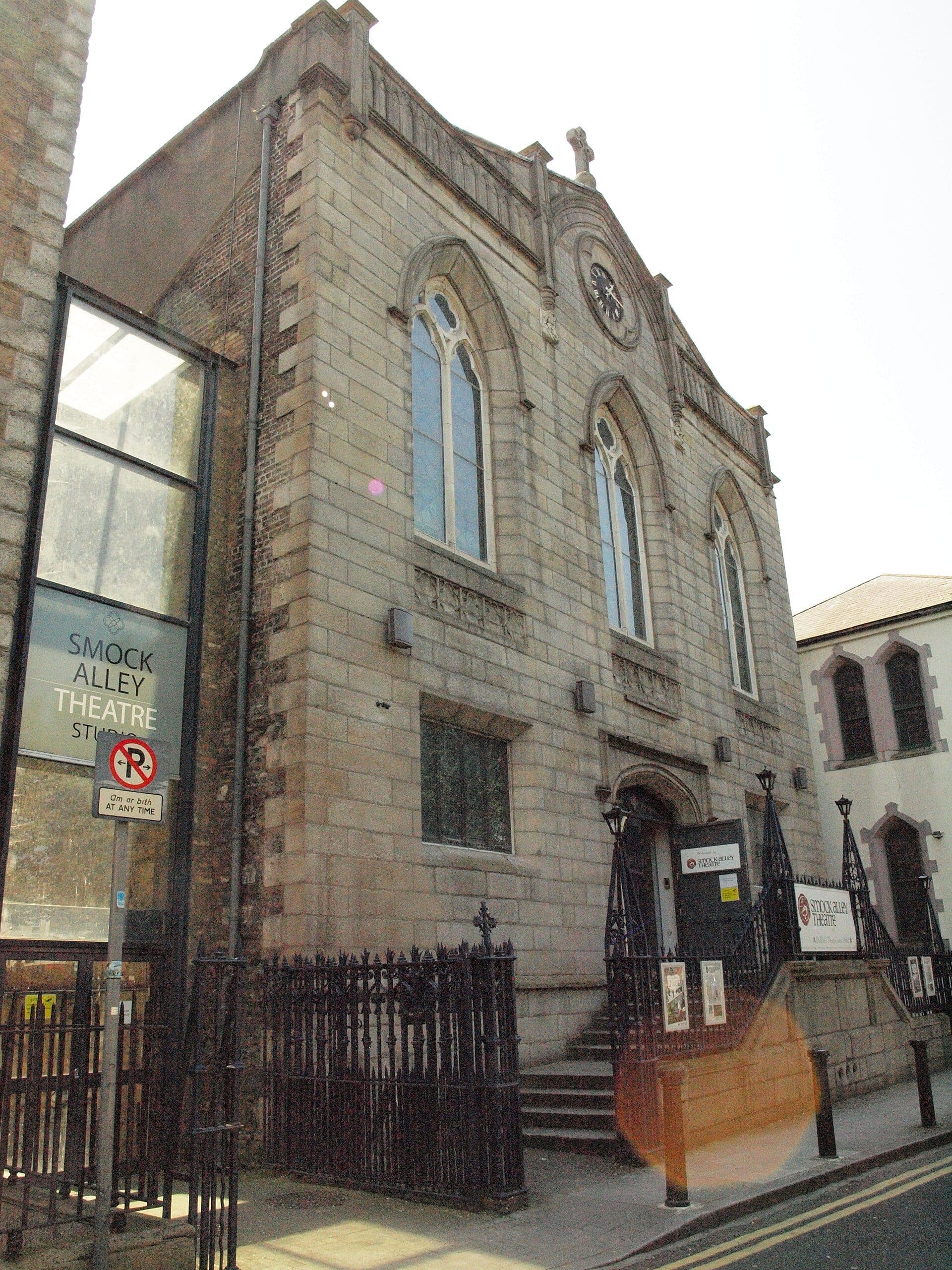
Europe's oldest specialised theatre festival — how it started, how it's programmed today, and how to plan a visit around it.
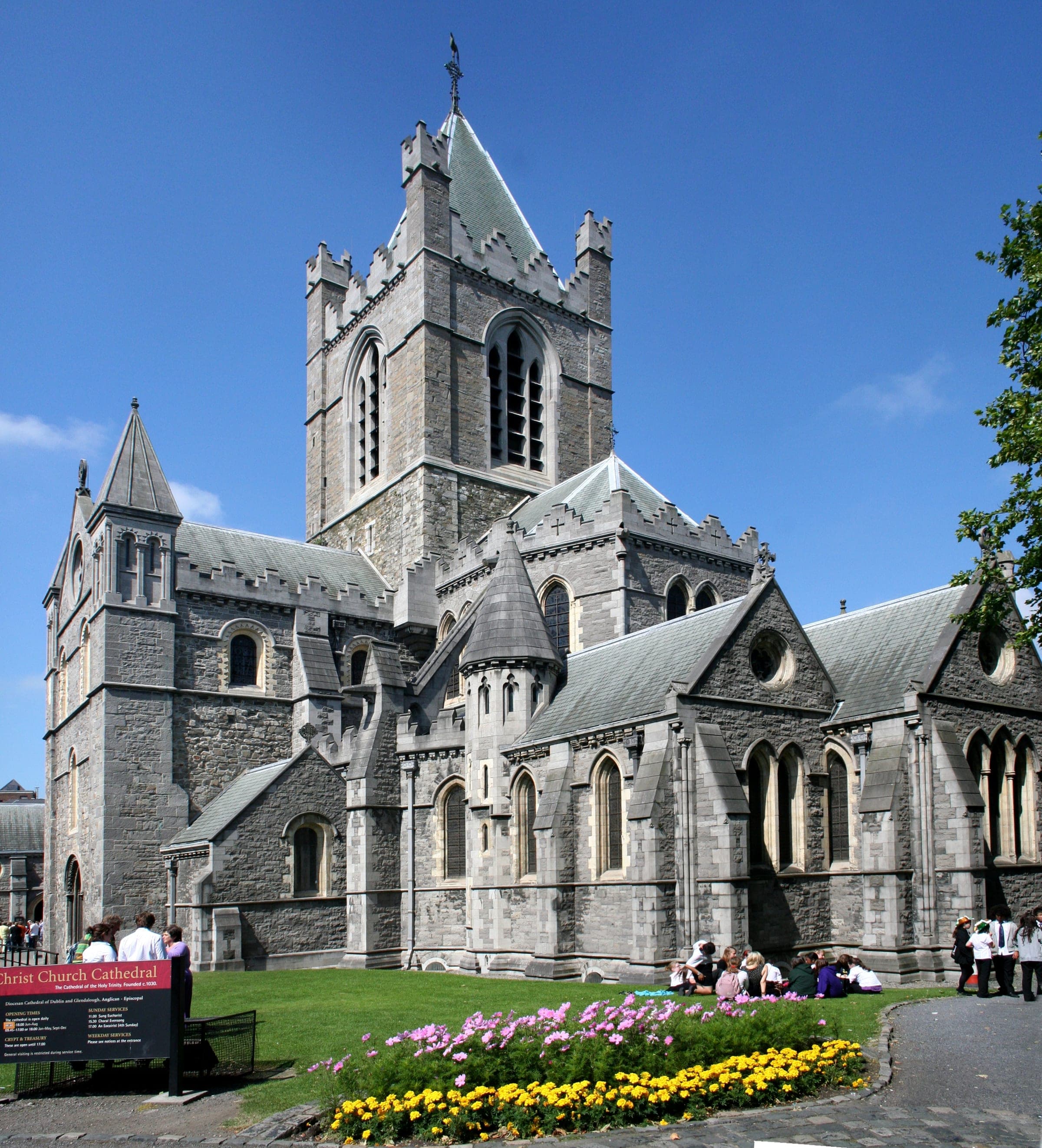
Dublin's Halloween festival, named for its Dracula-writing native son — why it exists, when it happens every year, and what to expect.