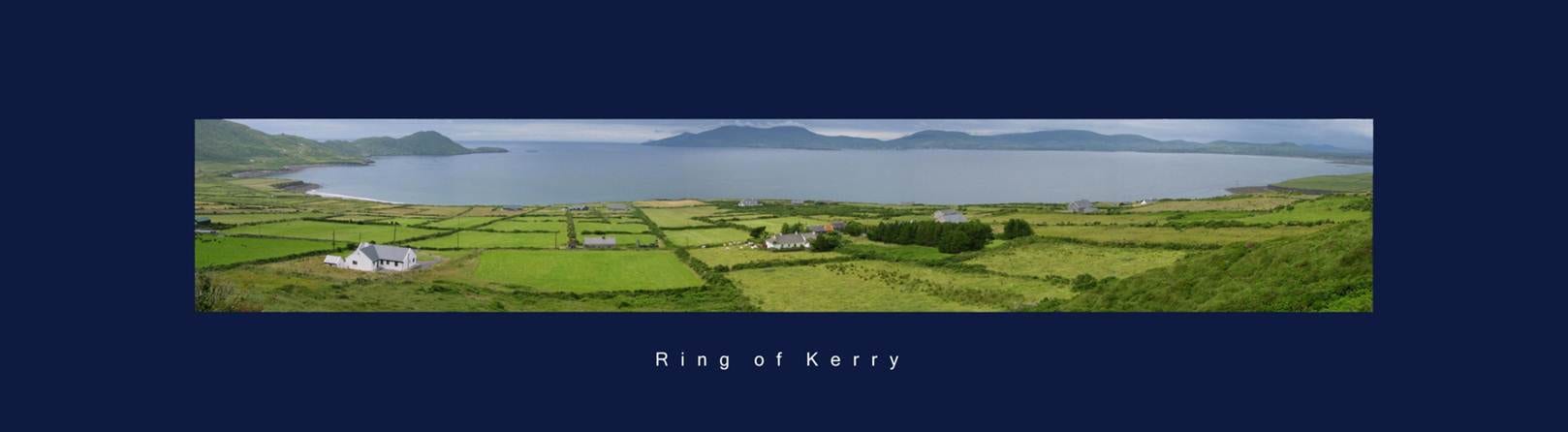
Ring of Kerry Guide
The full driving route around the Iveragh Peninsula — the towns along the way, which direction to actually drive it in, and why that direction matters.
Left-hand driving, clockwise roundabouts, and roads too narrow for two cars to pass — what actually catches first-time visitors out, before you book a rental car.
 By Ireland Spots Team
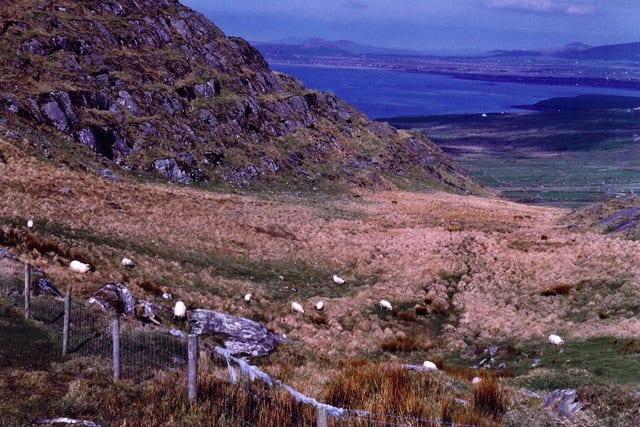
Photo: Joseph Mischyshyn / Wikimedia Commons (CC BY-SA 2.0)
Ireland's scenic routes — the Ring of Kerry, the Wild Atlantic Way, most of the Burren — are built around driving them, so a rental car is genuinely the right call for a lot of this site's content. Here's what actually catches first-time visitors out, beyond the obvious "drive on the left."
Ireland drives on the left, the same as the UK. If you're used to driving on the right, this is usually the single biggest adjustment — more than the narrow roads or the roundabouts — and it's worth giving yourself a quiet first hour or two, ideally picking the car up somewhere low-traffic rather than straight into a city centre.
Roundabouts are common on Irish roads, and the rule is straightforward once it clicks: go clockwise, and yield to traffic already on the roundabout, coming from your right. They catch out visitors used to driving on the right more than anyone else, simply because the direction of travel is reversed from what's instinctive.
Away from the main routes, it's genuinely common for a road to be too narrow for two cars to pass without one pulling into a passing place — this is normal on routes like the Ring of Kerry and much of the Wild Atlantic Way, not a sign you've taken a wrong turn. Expect the occasional tractor or herd of sheep moving slowly ahead of you too; patience, not overtaking, is the normal response. A smaller rental car is a genuine advantage here, not just a cost saving.
Visitors from the US, Canada and the EU can generally drive on a valid home licence for up to 12 months — check the current rules for your specific country before travelling, since requirements and any required documentation can change. Drink-driving and mobile phone use while driving are both enforced seriously in Ireland, with real penalties, not just a nominal fine.
Manual transmission is the norm for Irish rental cars; automatics are available but cost more and are in shorter supply, especially in July and August. If you're not confident driving a manual while also adjusting to the left side of the road, book an automatic well ahead rather than assuming one will be available on arrival.
Sat-nav apps, including the major ones, will sometimes route you onto a road that's technically the shortest route but is far narrower or rougher than it looks on screen. If a route looks implausible for the road type shown, it's worth cross-checking rather than trusting it blindly, particularly in rural Kerry, Clare and Galway.
Visitors from the US, Canada and the EU can generally drive in Ireland on a valid home licence for up to 12 months. Check the current rules for your specific country before travelling, since requirements can vary.
The left, same as the UK. If you're used to driving on the right, this — not the narrow roads — is usually the adjustment that takes the most getting used to in the first day or two.
Manual cars are the norm in Ireland, and automatics cost more to rent and are in shorter supply, especially in peak season. If you're not confident driving a manual while also adjusting to the left side of the road, book an automatic well in advance rather than assuming one will be available.
Practical details last verified 5 November 2026.
The full driving route around the Iveragh Peninsula — the towns along the way, which direction to actually drive it in, and why that direction matters.
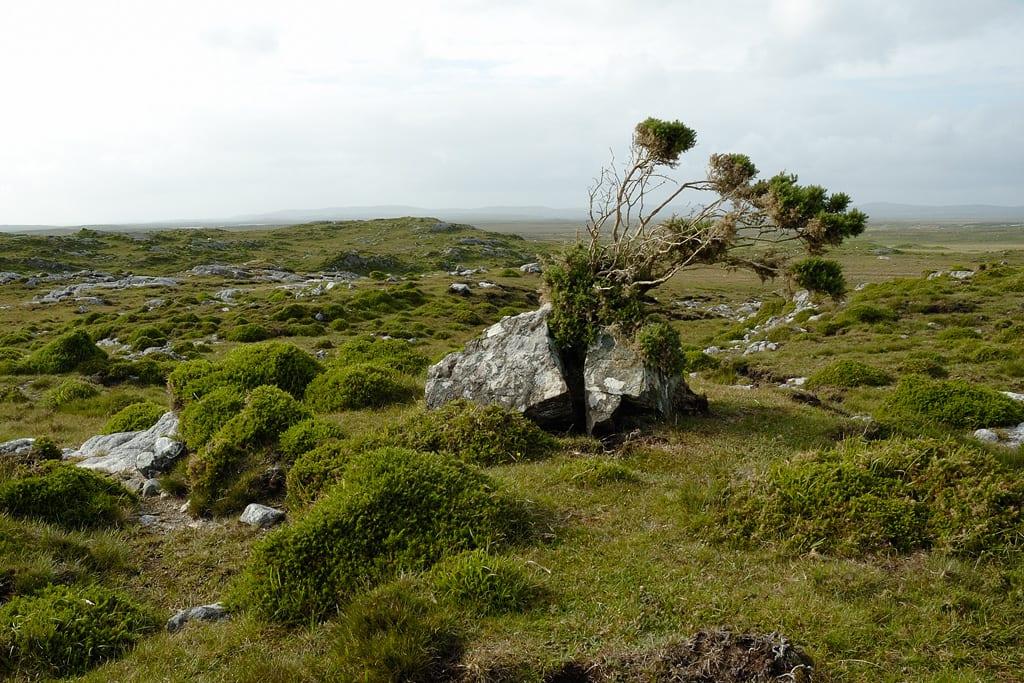
The Aran Islands, Connemara and Kylemore Abbey, and the Cliffs of Moher — how to actually get to each from Galway, by ferry, bus or car.
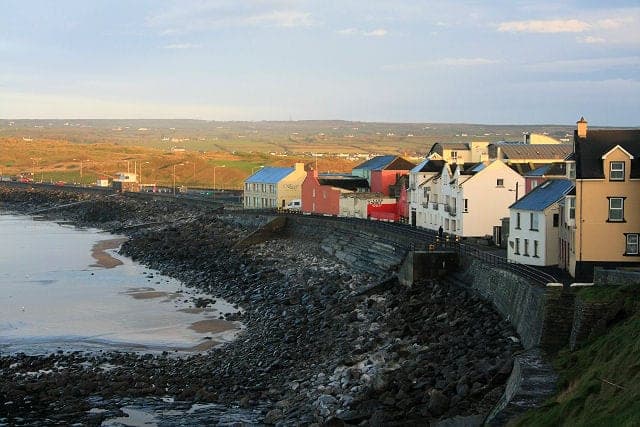
From the Cliffs of Moher and the Burren to Doolin, Bunratty and the county town of Ennis — how Clare's main sights fit together and how to plan around them.