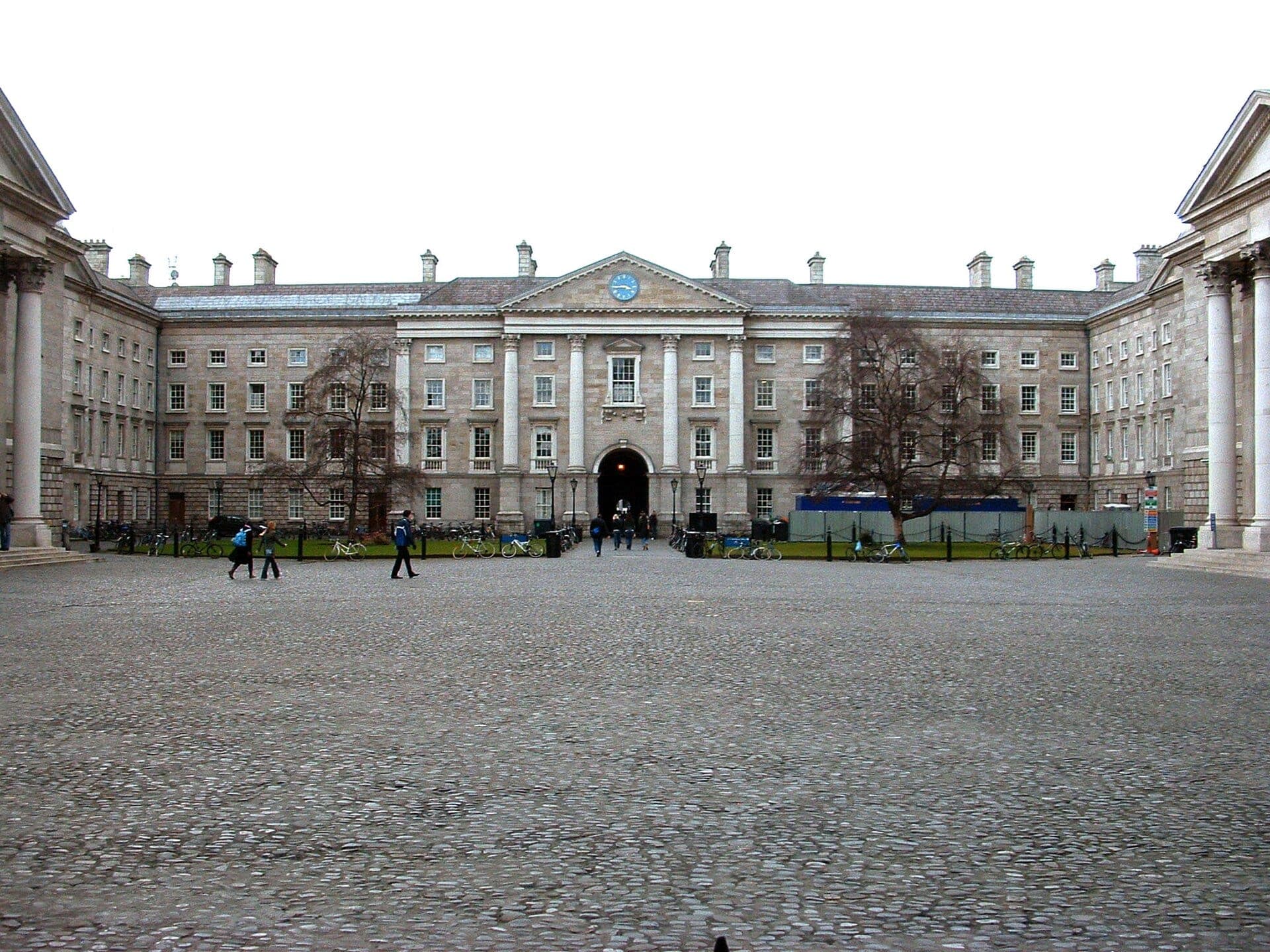
Dublin on a Budget
A practical guide to seeing Dublin properly without spending on every attraction — what's genuinely free, and where it's worth paying.
The euro, not sterling — and which side of the border you're on actually matters. What's normal to tip, and when cash still beats a card.
 By Ireland Spots Team
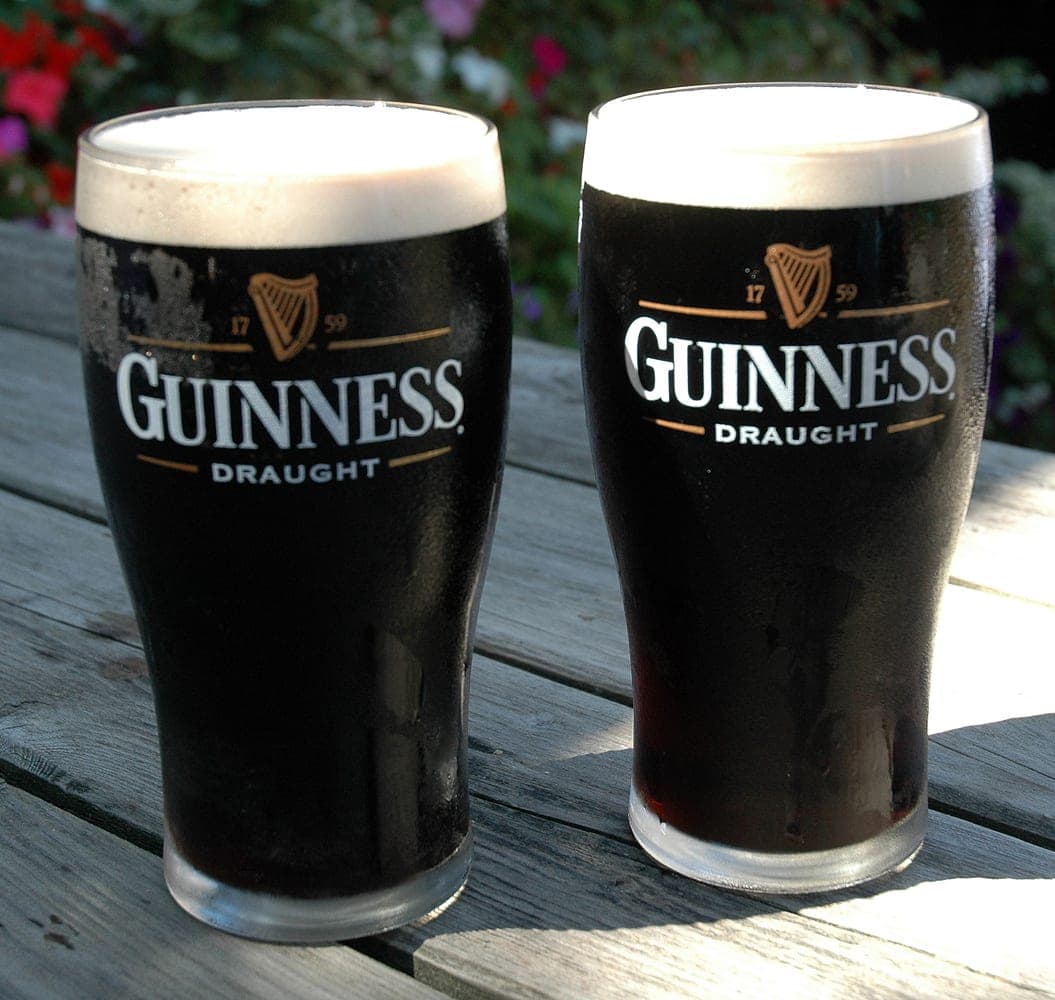
Photo: Harald Bischoff / Wikimedia Commons (CC BY-SA 3.0)
Two things catch visitors out more than anything else about money in Ireland: which currency is actually in use where, and that tipping here works a little differently than it does at home.
The Republic of Ireland uses the euro. Northern Ireland, a separate jurisdiction within the UK, uses pound sterling — euros simply don't work there, and vice versa. If a trip crosses the border, it's worth knowing which currency you actually need before you're standing at a till finding out the hard way.
Tipping in Ireland is genuinely appreciated but discretionary — nobody will chase you down for skipping it. In practice: restaurants and taxis commonly see 10–15% for good service, guided tours often get a few euro per person or a round-up, and casual counter service (a coffee, a takeaway) isn't really a tipping situation at all. It's closer to genuine appreciation for good hospitality than an obligation, which is a different cultural footing than tipping culture in the US.
Cards are accepted almost everywhere in the Republic, including small cafés, pubs and taxis — you're very unlikely to be stuck without a card option. Cash still earns its place for tipping directly (so the money actually reaches the person serving you, rather than going through a card system) and for the rare smaller purchase with a card minimum. One genuinely useful habit: if an ATM or card terminal in Ireland offers to convert the charge to your home currency on the spot, decline it and choose euro instead — that on-the-spot conversion rate is reliably worse than what your own bank or card provider gives you.
The Republic of Ireland uses the euro. Northern Ireland, a separate jurisdiction, uses pound sterling — euros won't work there, so it's worth knowing which side of the border you're on before relying on cash you've already withdrawn.
It's appreciated rather than strictly mandatory. Restaurants and taxis commonly see 10–15% for good service, and rounding up or adding a few euro is normal for a casual meal or a guided tour. Nobody will chase you for a tip, but it's genuinely part of hospitality culture, not an American import.
Cards are widely accepted almost everywhere, including small cafés and taxis. Cash still helps for tipping directly and for the odd smaller purchase where a card minimum applies. If an ATM or card terminal offers to convert to your home currency, choose euro instead — the conversion rate it offers is usually worse than your own bank's.
Practical details last verified 5 November 2026.
A practical guide to seeing Dublin properly without spending on every attraction — what's genuinely free, and where it's worth paying.

Left-hand driving, clockwise roundabouts, and roads too narrow for two cars to pass — what actually catches first-time visitors out, before you book a rental car.

Summer has the longest days and the biggest crowds, the shoulder months either side are the usual compromise, and winter is genuinely the cheapest — what each season actually means for a trip.