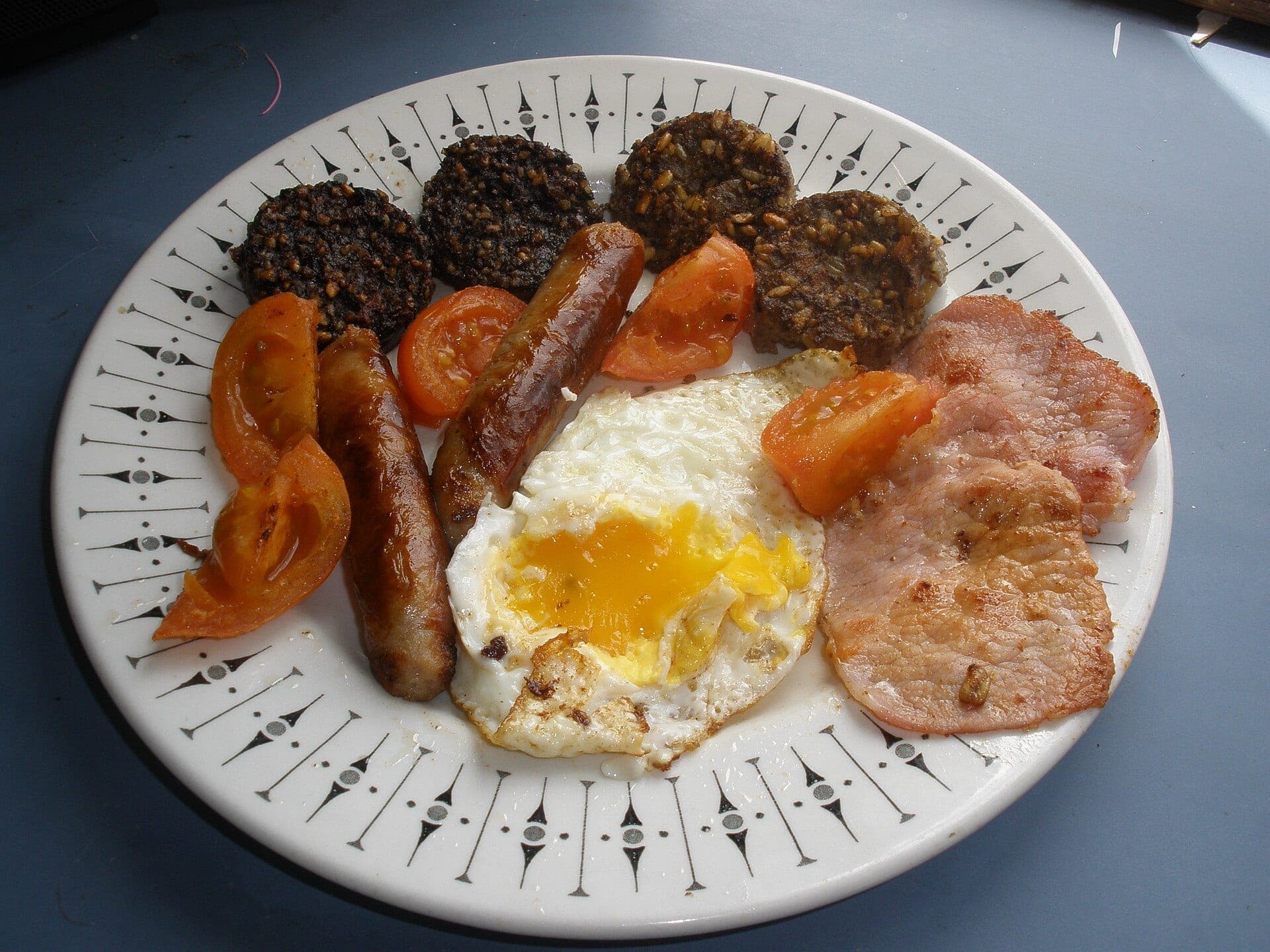
Traditional Irish Food: What to Try in Ireland
Irish stew, colcannon, boxty, soda bread, the full Irish breakfast and seafood chowder — what these dishes actually are, where they come from, and what to expect when you order them.
From Ireland's oldest pub to a Victorian covered market, here's where Dublin's food and drink culture is genuinely worth your time.
 By Ireland Spots Team
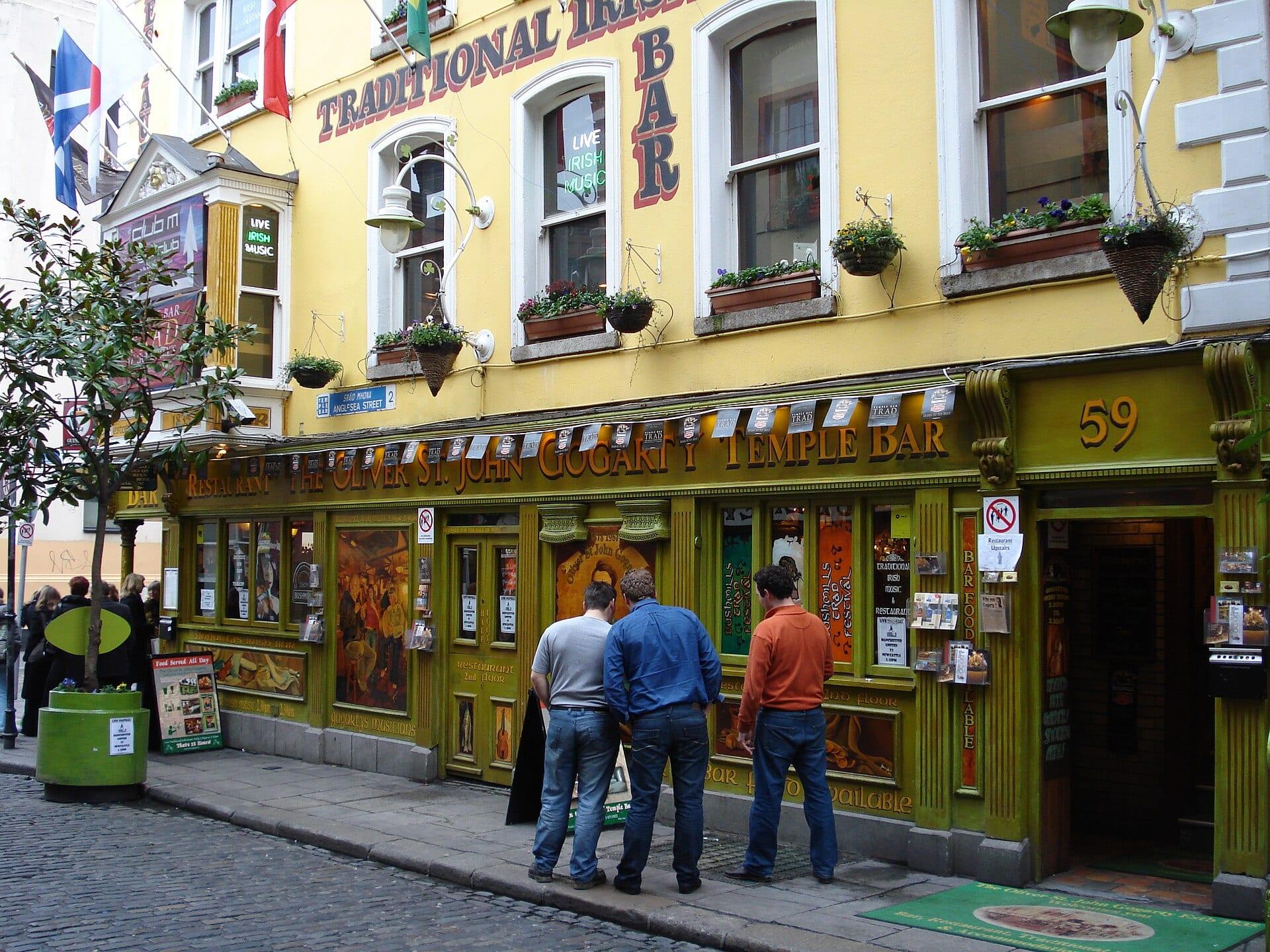
Photo: Pediant / Wikimedia Commons (CC BY-SA 2.5)
Temple Bar gets most of the attention, but Dublin's food and drink culture runs well beyond its busiest strip. This is a guide to the places and traditions worth knowing about — pubs, markets and the city's brewing history — rather than a restaurant recommendation list (more on why below).
On Bridge Street, a short walk from Temple Bar, the Brazen Head claims to be Ireland's oldest pub, with a hostelry recorded on the site since 1198 — the current building dates to 1754. It sits close to the River Liffey and the Four Courts, a part of the city many visitors miss entirely on a Temple Bar-focused trip. It hosts traditional Irish music sessions most nights of the week, and its stone-flagged, low-ceilinged rooms give a genuine sense of the pub's age in a way that's rare even by Dublin standards. See brazenhead.com for current session times.
A covered Victorian market on South Great George's Street, open since 1881, with over 40 independent traders under one roof — food stalls, coffee, vintage clothing and record shops among them. Less than five minutes' walk from Grafton Street and Trinity College, it's a useful stop if you want a quick, casual lunch away from the busier restaurant streets, and it's covered, so it works as a rainy-day option too.
Dublin has a strong tradition of pubs with live, unamplified traditional Irish music sessions — a different atmosphere from Temple Bar's louder, tourist-oriented bars. Beyond the Brazen Head, two names come up repeatedly among people who take trad sessions seriously: O'Donoghue's on Merrion Row, long associated with the folk group The Dubliners, who got their start playing there; and Cobblestone in Smithfield, a pub well known among musicians themselves for prioritising the music over anything else. Session nights and lineups vary week to week at all of these, so check ahead or ask locally if a specific night matters to you.
Guinness has been brewed at St James's Gate, on the western edge of Dublin's city centre, since 1759 — the brewery's presence has shaped the surrounding Liberties neighbourhood for well over two centuries. The Guinness Storehouse, built around the original fermentation plant, is the city's most-visited paid attraction and includes a "perfect pint" tutorial and a rooftop bar with city views; it has its own dedicated planning elsewhere in our Dublin on a Budget guide, since it's one of the few paid attractions we'd recommend prioritising. Beyond the Storehouse itself, ordering a pint of stout and letting it settle before a proper pour is still taken seriously in traditional pubs across the city — part of pub culture rather than a tourist performance.
Beyond George's Street Arcade, Dublin has a small but genuine market scene, and a growing number of independent coffee roasters and specialty food shops around the city centre. Rather than duplicate that ground here, we've covered it properly in a dedicated Dublin Food Markets guide.
If you want to know what you're actually ordering — Irish stew, colcannon, boxty, soda bread, the full Irish breakfast and seafood chowder all have specific histories and regional associations worth knowing before you sit down. We've written about each dish in detail in our Traditional Irish Food guide.
Tipping isn't traditional in Irish pubs the way it is in some countries — you're not expected to tip on a round of drinks at the bar. In sit-down restaurants and cafés, a tip of around 10–15% is customary if service isn't already included on the bill, but check the bill first, since some places do add a service charge automatically, especially for larger groups.
We're deliberately not publishing a list of specific restaurant recommendations here — a good one requires actually having eaten at each place recently, which we haven't done yet for Dublin's fast-moving restaurant scene. When we do, it'll be based on real visits, not aggregated review scores, and we'll say so.
No, deliberately not yet — a good recommendation needs an actual recent visit, which we haven't done for Dublin's fast-moving restaurant scene. This guide covers pubs, markets and food traditions we have verified instead.
Not for a round of drinks at the bar — tipping isn't traditional there. In sit-down restaurants and cafés, 10–15% is customary if service isn't already included, but check the bill first since some places add a service charge automatically.
The Brazen Head, on Bridge Street near the Four Courts, claims the title — a hostelry has been recorded on the site since 1198, though the current building dates to 1754.
Practical details last verified 4 November 2026. Source: https://brazenhead.com/
Irish stew, colcannon, boxty, soda bread, the full Irish breakfast and seafood chowder — what these dishes actually are, where they come from, and what to expect when you order them.
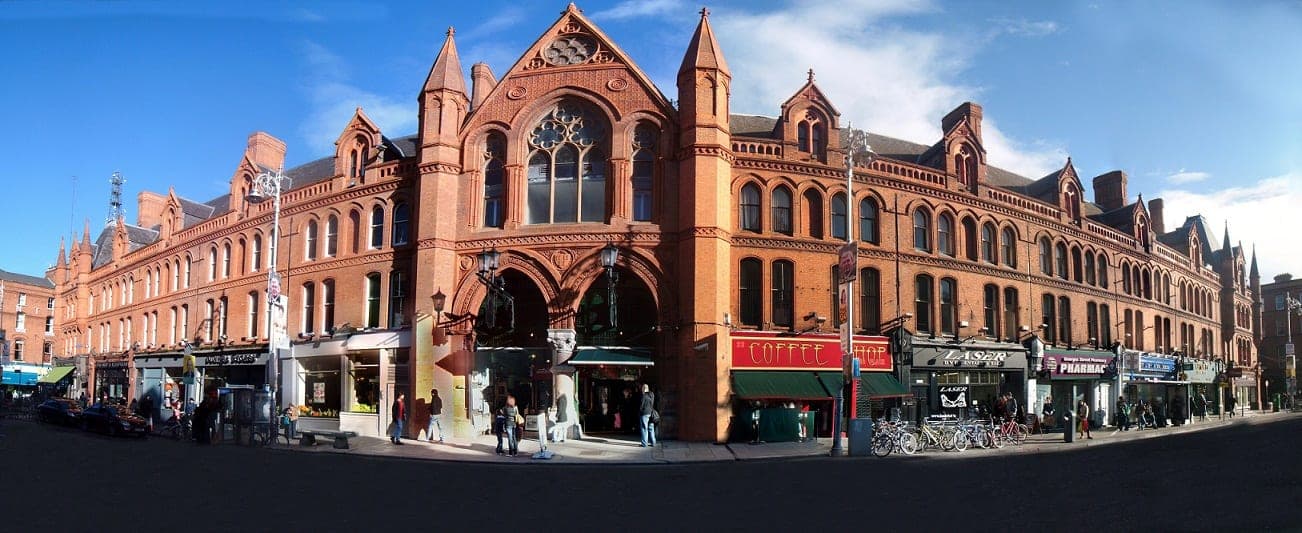
A Victorian covered arcade, a long-running Saturday food market and a food hall in a former telephone exchange — Dublin's main food market venues, verified and explained.
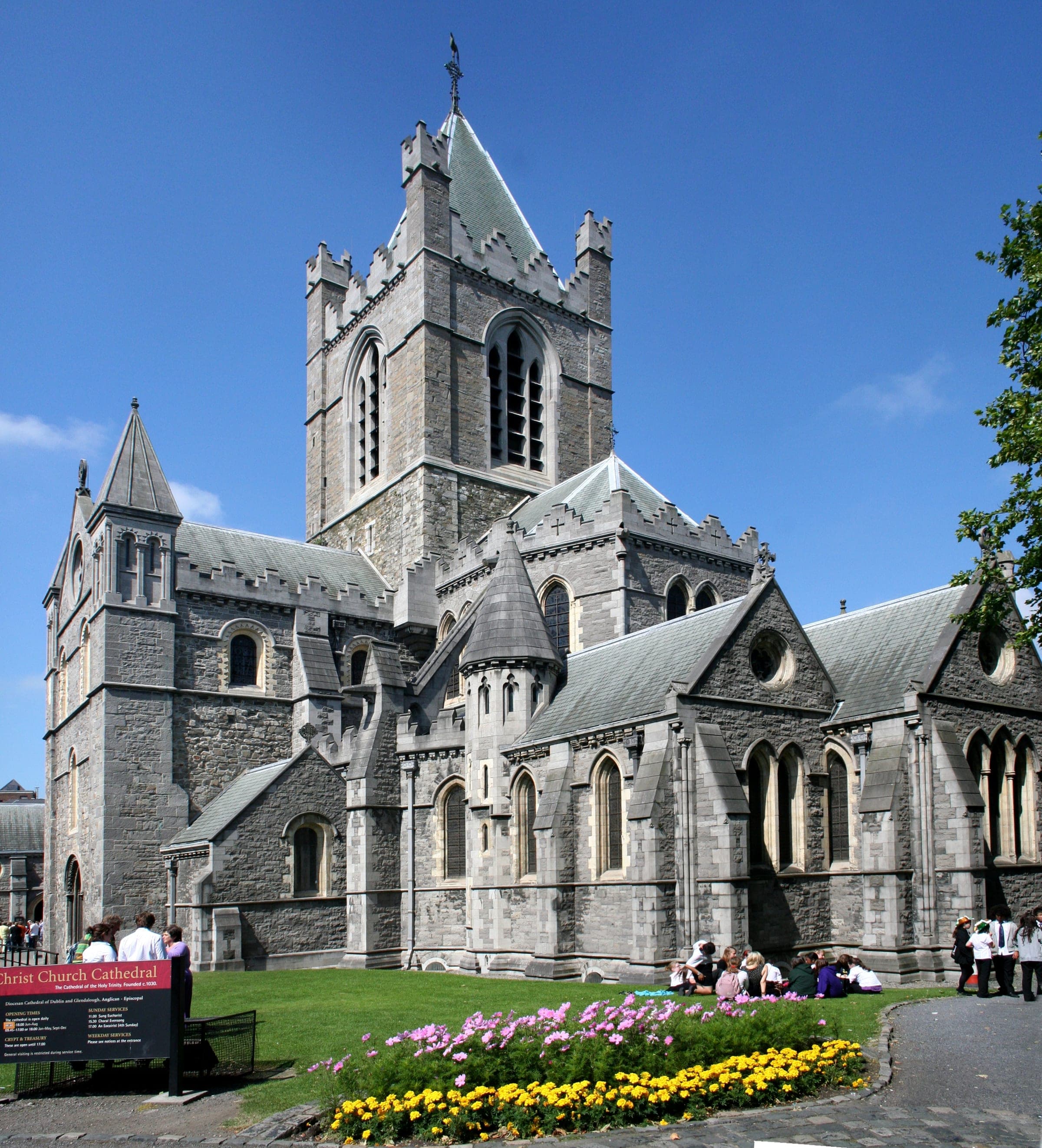
A realistic one-day route through Dublin city centre, on foot, for a first visit.