Best Free Things to Do in Dublin
Dublin's national museums, several of its finest gardens, and its whole waterfront cost nothing to visit — here's where to start.
A practical guide to seeing Dublin properly without spending on every attraction — what's genuinely free, and where it's worth paying.
 By Ireland Spots Team
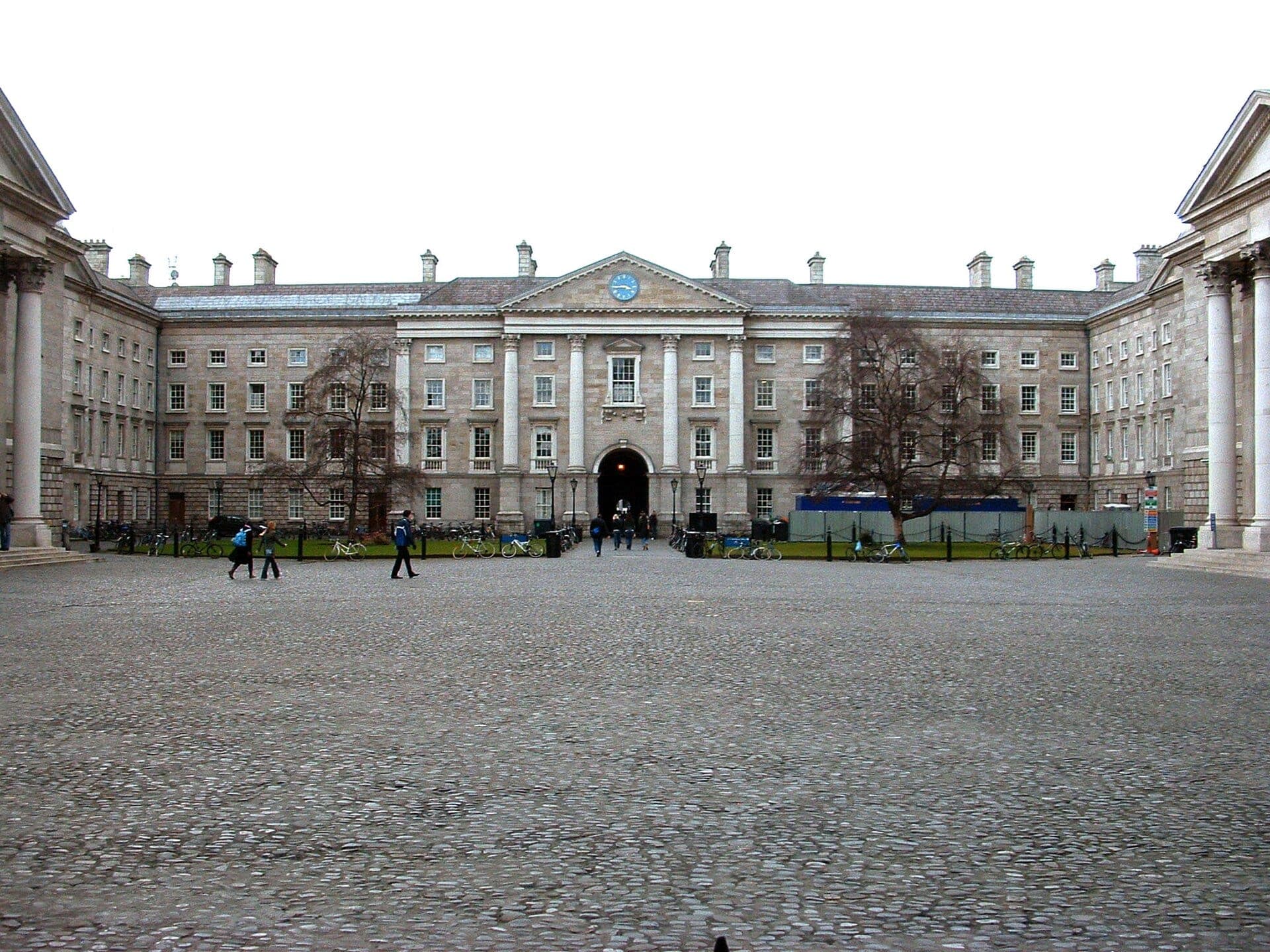
Photo: Jasonm / Wikimedia Commons (CC BY-SA 2.5)
Dublin has a reputation for being expensive, and accommodation and food often are. The good news: a genuinely large share of what's worth seeing costs nothing, and a little planning on transport and paid attractions goes a long way.
The National Museum of Ireland's Dublin sites (Archaeology on Kildare Street, and Decorative Arts & History at Collins Barracks) and the National Gallery of Ireland on Merrion Square all operate permanent free-admission policies for their core collections — no ticket, no booking, walk straight in. Between them you can cover Bronze Age gold, Iron Age bog bodies, Irish military history and a national art collection with works by Caravaggio and Vermeer, without spending a cent. See our full Best Free Things to Do in Dublin guide for more detail on each, including current opening arrangements.
Phoenix Park, St Stephen's Green, Iveagh Gardens and Merrion Square Park are all free, and between them cover most of what you'd want from green space in the city centre — from Phoenix Park's scale and its herd of fallow deer down to Iveagh Gardens' quieter, tucked-away grotto and maze. See our dedicated Best Parks and Walks in Dublin guide if you want to plan a proper route between them.
Trinity College's cobbled squares are free to walk through, even though the Book of Kells Experience inside is ticketed. Temple Bar, the Ha'penny Bridge and the Liffey quays cost nothing to walk at any time of day, and Grafton Street, Dublin's main pedestrianised shopping street, has been car-free since 1982. George's Street Arcade, a covered Victorian market open since 1881, costs nothing to browse even if you don't buy anything.
North Bull Island and Dollymount Strand, Sandymount Strand and Dublin's other beaches are all free and mostly reachable by DART or bus without a car. See our full Best Beaches Near Dublin guide for the full list and how to get to each.
The Book of Kells Experience, the Guinness Storehouse and Kilmainham Gaol are Dublin's most-visited paid attractions for good reason, and none of them have a free equivalent. The Book of Kells Experience puts you in front of the actual illuminated medieval manuscript inside the Old Library's Long Room; the Guinness Storehouse covers the brewery's history since 1759 and ends at a rooftop bar with city views; Kilmainham Gaol is central to the story of Irish independence, and its guided tour is widely considered one of the best of its kind in the city. If your budget allows for one or two paid attractions, these are the ones we'd prioritise — book online in advance in each case, since it's usually cheaper than paying on the day and avoids queuing.
Dublin's city centre is compact and very walkable — you may not need public transport at all for a day spent in the historic core, since most of the main sights around Trinity College, Grafton Street, Temple Bar and Merrion Square are within 15–20 minutes' walk of each other. For longer distances (Howth, the beaches, the airport), the DART and Dublin Bus network cover most of what you'll want to reach. Check current fares and any visitor travel cards at transportforireland.ie before you travel — a multi-day or multi-journey card is often better value than paying per trip if you're moving around a lot.
A full sit-down meal at every stop adds up quickly. George's Street Arcade and Dublin's other covered markets are a reasonable middle ground between a restaurant and a supermarket sandwich, with a range of food stalls under one roof. Supermarkets in the city centre are also a straightforward way to put together a picnic lunch for one of the parks or beaches above, which cuts costs without much effort. Pub lunch menus, where available, are often better value than the same pub's evening menu — worth asking about if you're eating in the middle of the day.
Free admission at the National Museums and National Gallery is a genuine, long-standing policy, not a promotional gimmick — and donations at the door directly fund these institutions, so it's worth contributing what you can if your budget allows.
Accommodation, food and alcohol in Dublin do run expensive by European city standards. The sightseeing itself is where you can save: a genuinely large share of Dublin's best attractions — its national museums and galleries, its parks and gardens — are free, which is the main reason a Dublin trip doesn't have to cost as much as its hotel and restaurant prices suggest.
The National Museum of Ireland's Dublin sites, the National Gallery of Ireland, Phoenix Park, St Stephen's Green, Iveagh Gardens, Trinity College's squares, Temple Bar, the Ha'penny Bridge, and Dublin's beaches are all free.
The Book of Kells Experience, the Guinness Storehouse and Kilmainham Gaol — Dublin's three most-visited paid attractions, each with no free equivalent. Book online in advance for all three; it's usually cheaper than paying on the day and avoids queuing.
Not necessarily — the historic core around Trinity College, Grafton Street, Temple Bar and Merrion Square is compact enough to cover entirely on foot. You'll want the DART or Dublin Bus for longer distances like Howth, the beaches, or the airport.
Practical details last verified 5 November 2026.
Dublin's national museums, several of its finest gardens, and its whole waterfront cost nothing to visit — here's where to start.
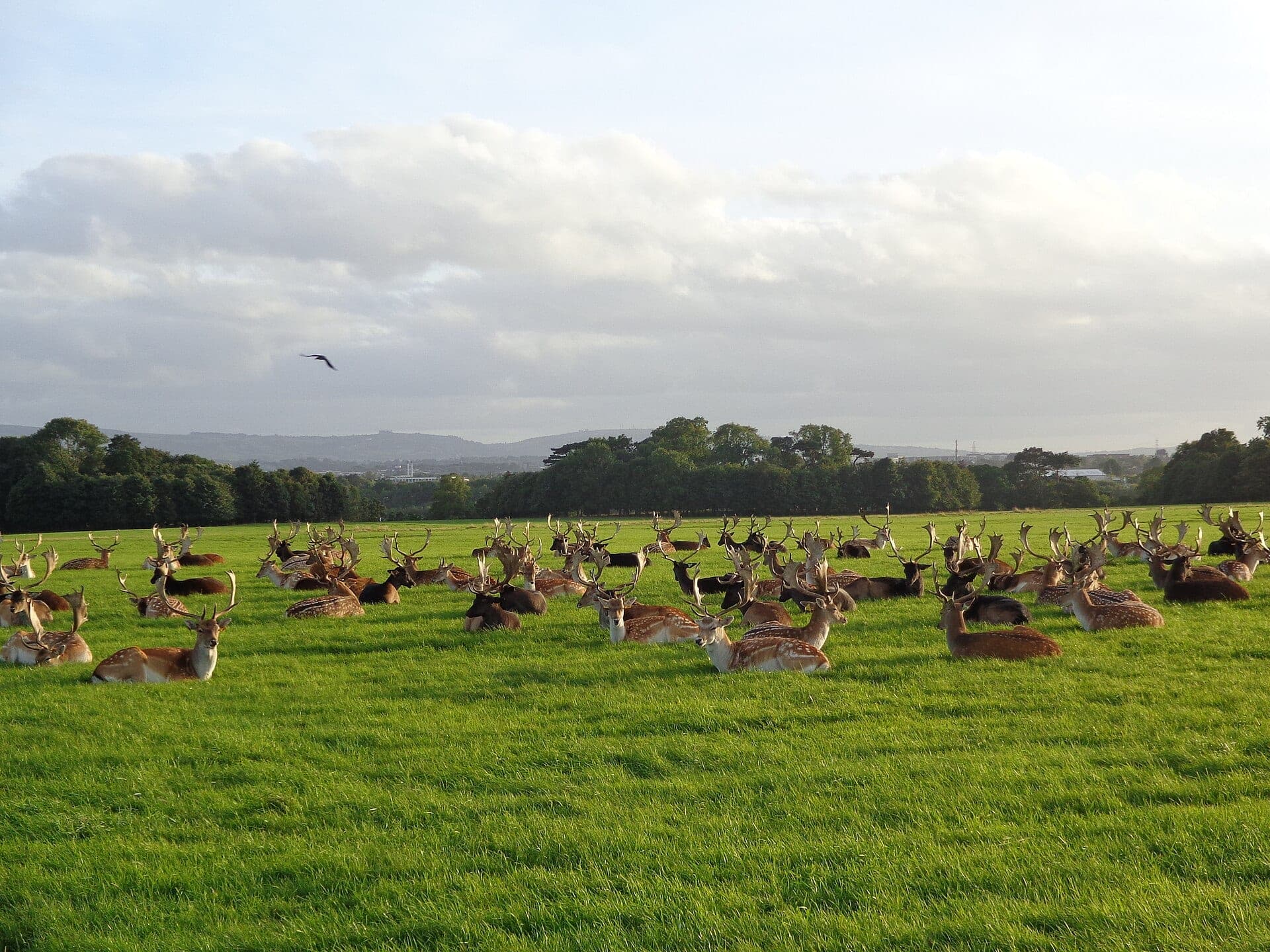
From Phoenix Park's deer herd to the Dublin Bay Biosphere at Bull Island, Dublin's best green spaces and waterside walks are all free to visit.
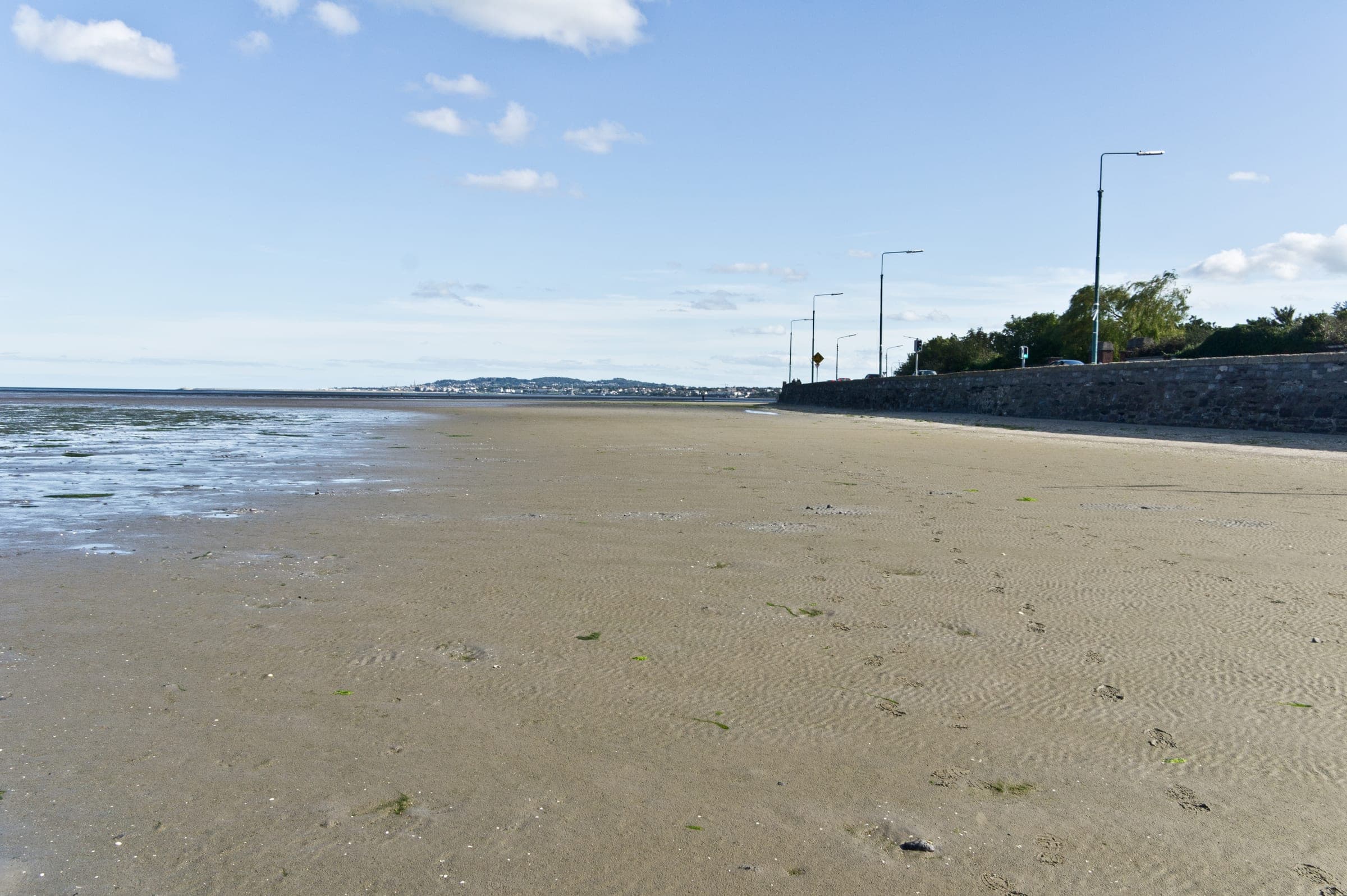
From the closest strand to the city centre to a Blue Flag beach on the DART line, here's where to find the sea without a car.