
Best Things to Do in Dublin
A comprehensive guide to 24 of Dublin's best sights and experiences, from Trinity College's Book of Kells to hidden gardens, with what's free, what's ticketed, and how to book.
Dublin 2 for first-timers who want to walk everywhere, Temple Bar for nightlife, Portobello and Ballsbridge for something quieter — a guide to the areas, not a hotel list.
 By Ireland Spots Team
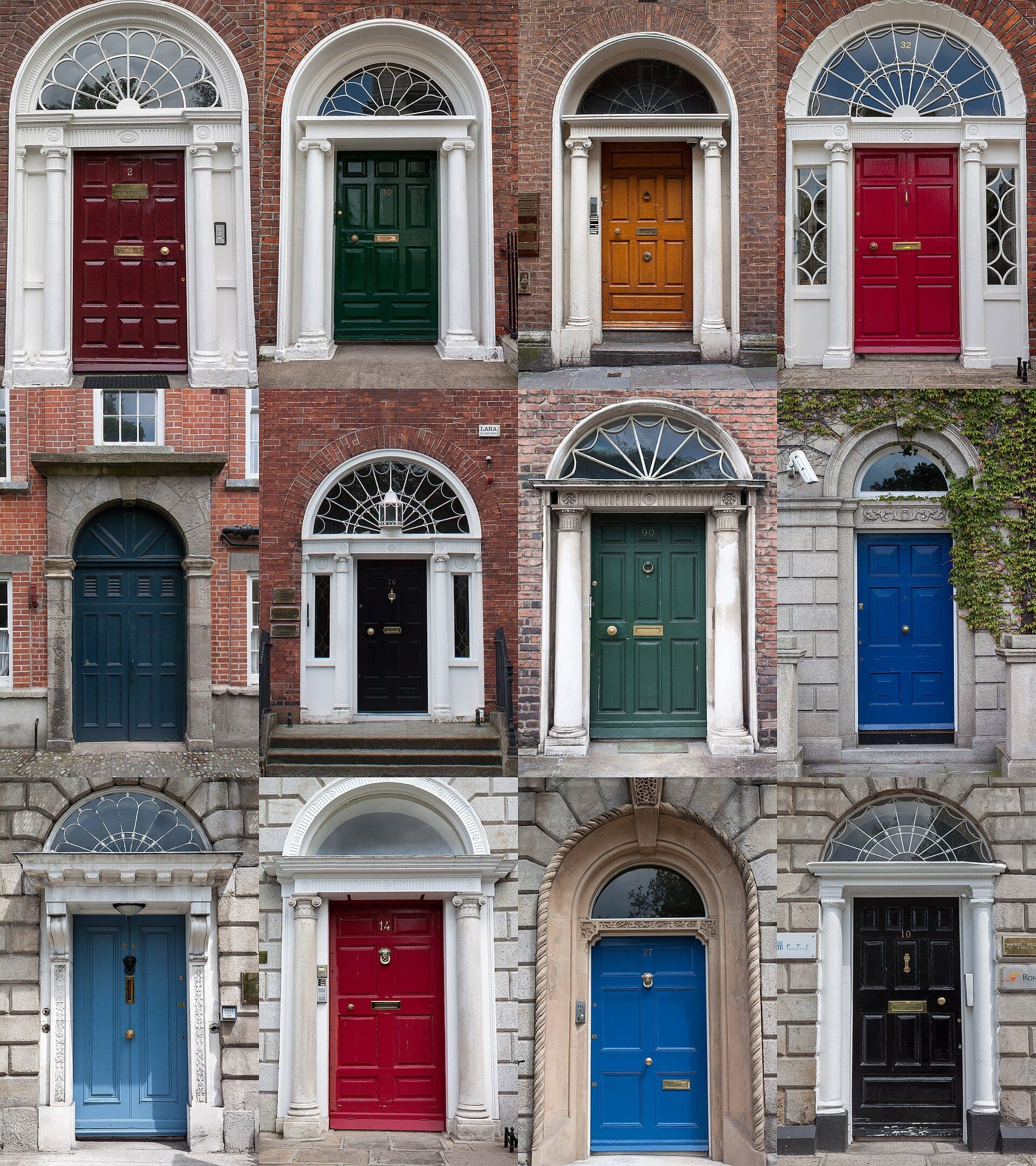
Photo: Tim Sackton / Wikimedia Commons (CC BY-SA 2.0)
This is a guide to Dublin's neighbourhoods, not a list of specific hotels — names and prices change too often to be worth pinning to a page like this, and where you stay matters more than which particular building you stay in. Below is what each area is actually like to come home to, and who it suits.
The historic core, and the area most first-time visitors end up choosing. Trinity College, Grafton Street, St Stephen's Green and most of the National Museum and Gallery sites are all within a 10–15 minute walk of each other here, so you can cover a huge amount of the city on foot without relying on public transport at all. It's also Dublin's most expensive area for accommodation, reflecting how central it is. See Best Things to Do in Dublin for how much of the city this area actually puts you next to.
The cobbled district between Dame Street and the Liffey, and Dublin's densest concentration of pubs and live music. It's as central as Dublin 2, and genuinely historic — the oldest surviving street pattern in the city — but it's also the loudest part of town at night, especially Thursday to Sunday. It suits visitors who want to be in the middle of the nightlife rather than near it; see our Dublin at Night guide for what that nightlife actually looks like.
The redeveloped waterfront east of the historic centre, built up from the late 1990s onward around the International Financial Services Centre. It's quieter and more modern than the city's historic core — newer hotels, waterside walks along the Liffey and Grand Canal Dock — at the cost of being a 20–25 minute walk (or a short Luas ride) from Trinity College and Grafton Street rather than next door to them.
An affluent, leafy residential area southeast of the centre, home to many of Dublin's embassies and the Aviva Stadium. It's quieter and more upmarket than the city centre, with a straightforward bus or Luas connection into town, and suits visitors who'd rather not be in the thick of things in the evening.
Three adjoining canal-side neighbourhoods just south of St Stephen's Green, generally better value than the city centre while still being well connected — Rathmines and Ranelagh sit directly on the Luas Green Line, putting the centre 10–15 minutes away. They're genuinely residential, with more locals than tourists, which some visitors prefer and others find quieter than they wanted on a short trip.
If this is your first time in Dublin and you want to walk everywhere, Dublin 2 is the straightforward choice despite the price. If budget matters more than being in the thick of it, Portobello, Rathmines or Ranelagh give you a short, easy commute into the centre for less. If nightlife is the priority, Temple Bar puts you in the middle of it; if a quiet night's sleep is, almost anywhere else does better. See Dublin on a Budget for how far your money goes once you've picked an area.
Dublin 2 — around Trinity College, Grafton Street and St Stephen's Green — puts you within walking distance of most of the city's essential sights. It's also the most expensive area for accommodation, so it's a trade-off between convenience and price.
It's central and convenient, but it's Dublin's busiest nightlife district — expect noise into the night, especially on weekends. It suits visitors prioritising nightlife over a quiet night's sleep; for the same location without the noise, Dublin 2 just across Dame Street covers similar ground.
Portobello, Rathmines and Ranelagh, all a short walk or Luas ride south of the canal, are generally better value than the city centre while still being well connected — Rathmines and Ranelagh sit directly on the Luas Green Line into town.
Practical details last verified 5 November 2026.
A comprehensive guide to 24 of Dublin's best sights and experiences, from Trinity College's Book of Kells to hidden gardens, with what's free, what's ticketed, and how to book.
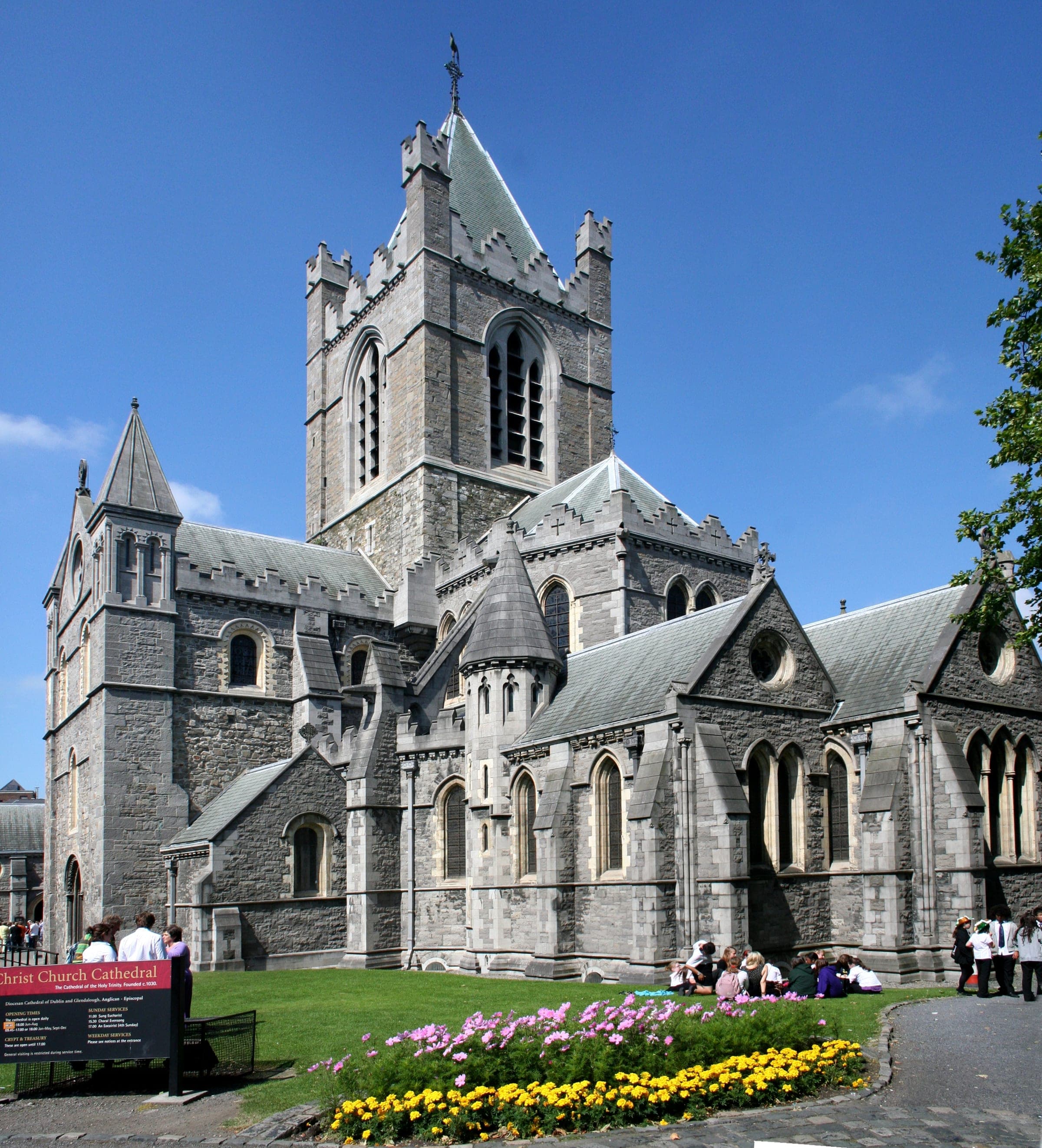
A realistic one-day route through Dublin city centre, on foot, for a first visit.
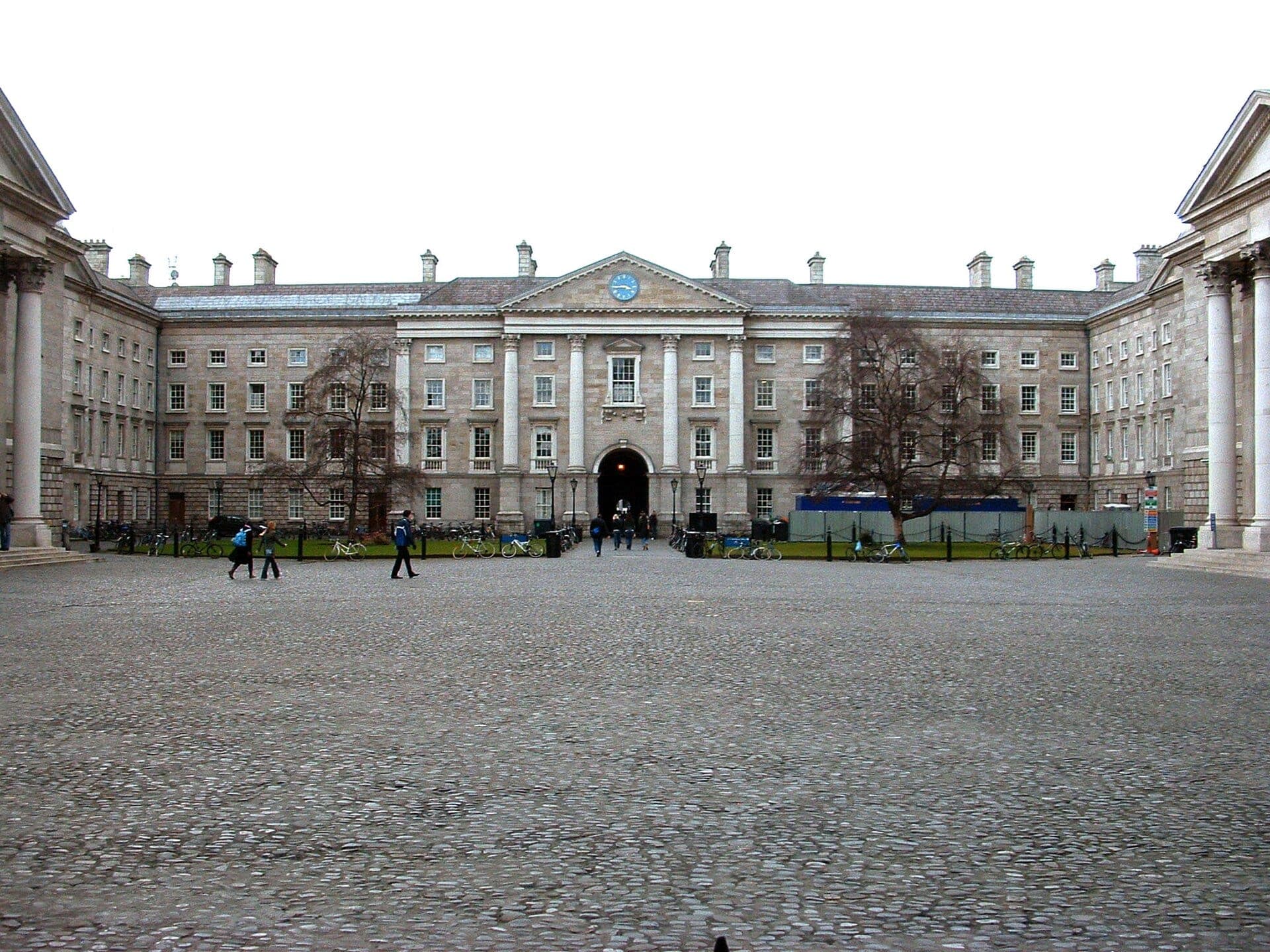
A practical guide to seeing Dublin properly without spending on every attraction — what's genuinely free, and where it's worth paying.